
How Genetics Affects Your Vein Health
If your parents or grandparents had visible leg veins, swelling, or heavy legs, you may wonder if the same problem is waiting for you too.
Genetics can play a real role in vein health, but family history is not the whole story. Some people inherit weaker vein walls or valves, while others develop symptoms because of pregnancy, age, long hours on their feet, or lifestyle factors. The important part is knowing your risk early, so small vein changes do not turn into daily discomfort.
🧬 Are Vein Problems Hereditary?
Family history can increase the chance of developing vein issues, but it does not guarantee that every person will experience the same symptoms.
What Research Shows
The link between genetics and varicose veins has been studied for years. Research suggests that inherited traits can influence how strong the vein walls and valves are.
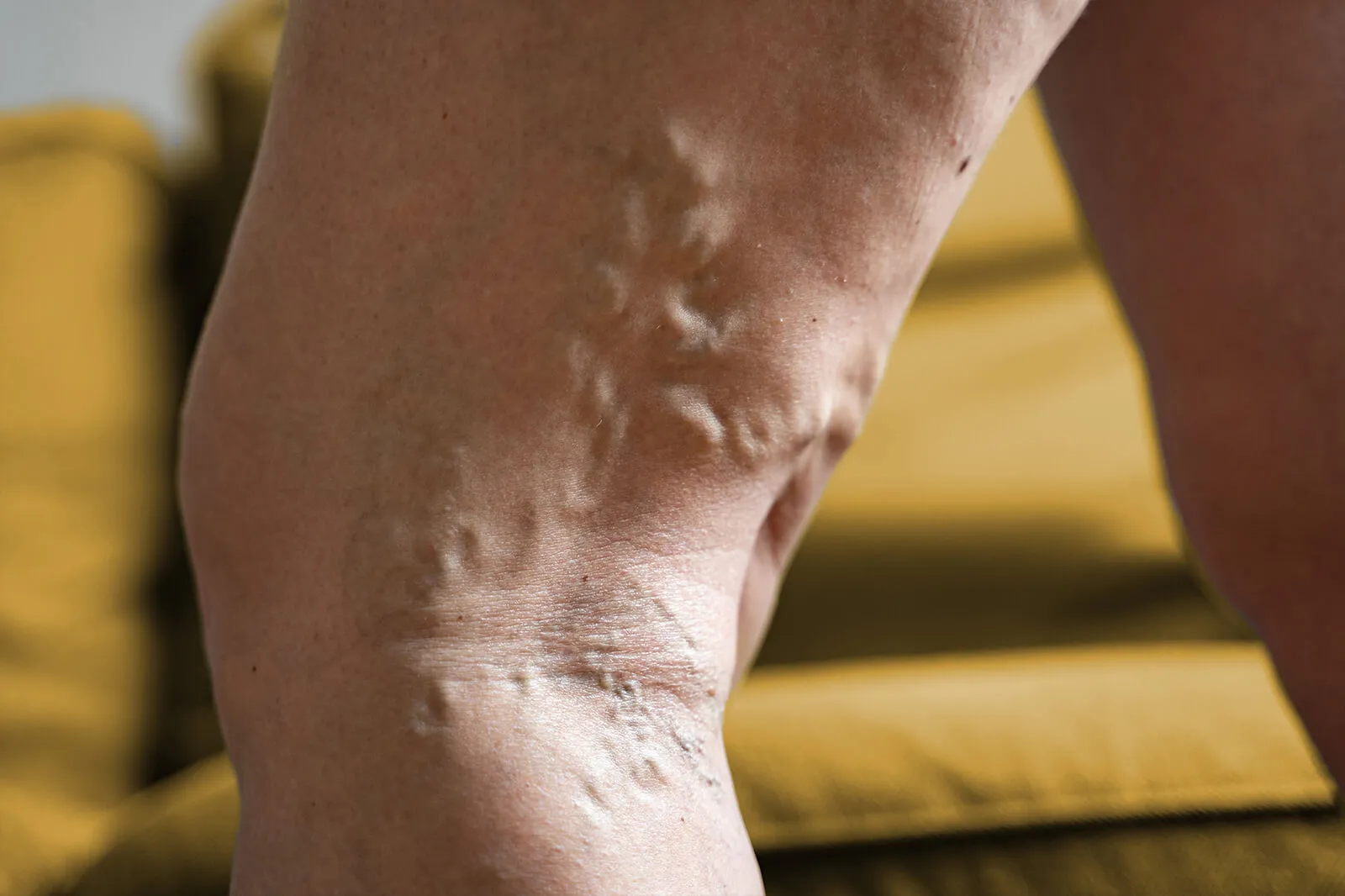
When valves inside the veins do not close properly, blood can flow backward and collect in the legs. Over time, this pressure may lead to bulging veins, swelling, aching, or visible surface veins.
Family History and Risk
If one or both parents have enlarged veins, chronic leg swelling, or venous insufficiency, your own risk may be higher.
This does not mean symptoms are guaranteed. It simply means you may need to watch for early signs, especially if other risk factors are also present.
Inherited Vein Weakness
Some people may inherit vein walls or valves that are more likely to stretch or weaken over time. When the veins lose support, they may struggle to push blood upward from the legs back toward the heart. This can lead to pressure buildup, visible vein changes, and discomfort that becomes more noticeable with age or prolonged standing.
⚖️ Other Factors That Influence Vein Disease
Genetics may set the foundation, but daily life and body changes can affect how soon symptoms appear.
Age and Gender
Vein valves can weaken with age. As the body changes, circulation in the legs may become less efficient.
Women may also have a higher risk because hormonal changes can affect vein walls. This is one reason vein symptoms may appear or worsen during certain stages of life.
Pregnancy
Pregnancy can place extra pressure on the veins in the lower body. Increased blood volume, hormonal changes, and pressure from the growing uterus can all affect circulation.
For some patients, visible veins improve after pregnancy. For others, symptoms may continue or become more noticeable with future pregnancies.
Lifestyle Habits
Long periods of sitting or standing can make it harder for blood to move properly through the legs. Jobs that require standing all day, limited movement, excess weight, and low activity levels may all add pressure to the veins. These factors can make hereditary vein disease more likely to show symptoms over time.
🔍 Recognizing Early Warning Signs
Early vein symptoms are easy to dismiss, especially when they seem mild. But small changes can be the first sign that circulation is not working as well as it should.
Spider Veins
Spider veins are small, thin lines that may appear red, blue, or purple under the skin. They often show up on the legs and may slowly spread over time. Genetics can make some people more likely to develop them, but they can also be influenced by hormones, sun exposure, aging, and changes in circulation.
Leg Discomfort
Aching, throbbing, cramping, or heaviness in the legs may point to more than normal tiredness. If discomfort becomes worse after standing or improves when the legs are elevated, the veins may be struggling to move blood efficiently.
Swelling and Fatigue
Swollen ankles, tired legs, or a heavy feeling at the end of the day can be early signs of vein trouble. These symptoms may start occasionally, then become more frequent. Paying attention early can help prevent the condition from becoming harder to manage later.
✅ Managing Your Risk With Early Intervention
You cannot change your genes, but you can reduce the pressure placed on your veins.
Regular movement, walking, leg elevation, hydration, and avoiding long periods in one position may help support circulation. Compression stockings may also be recommended for some patients, especially those with swelling or long workdays on their feet.
Early evaluation is especially important for patients with inherited risk or relatives who have dealt with vein problems. A vein specialist can check whether symptoms are only cosmetic or connected to a deeper circulation issue. The earlier a problem is identified, the easier it may be to manage with the right treatment plan.
🏥 How The Vein Place Helps High-Risk Patients
The Vein Place helps patients understand what is happening beneath the surface.
For higher-risk patients with visible veins, swelling, or leg discomfort, an evaluation may include a physical exam and ultrasound imaging. This helps check how blood is moving through the leg veins and whether damaged valves are contributing to symptoms.
Based on the findings, treatment may include lifestyle guidance, compression therapy, or minimally invasive options such as vein ablation or sclerotherapy. The goal is not just to improve the appearance of visible veins. It is to identify the cause of symptoms and create a treatment plan based on the patient’s actual vein health.
❓Frequently Asked Questions
Are varicose veins genetic?
Genetics can increase the risk of developing enlarged or weakened veins, especially when vein problems tend to run in the family.
If my parents have vein disease, will I get it?
Not always. Having a parent with vein disease may raise your risk, but it does not guarantee you will develop the same condition. Lifestyle, pregnancy, age, and activity level can also influence symptoms.
Can genetics be overcome with lifestyle changes?
Lifestyle changes cannot erase inherited risk, but they may help reduce pressure on the veins and support better circulation. Movement, leg elevation, healthy habits, and early evaluation can all help.
❓When should I get evaluated?
You should consider a vein evaluation if you notice visible veins, leg heaviness, swelling, aching, skin changes, or symptoms that run in your family and keep getting worse.

Andy Sharifi
Position