Why Patients Choose The Vein Place
More than treatment — a personalized approach to helping you feel comfortable, confident, and cared for.
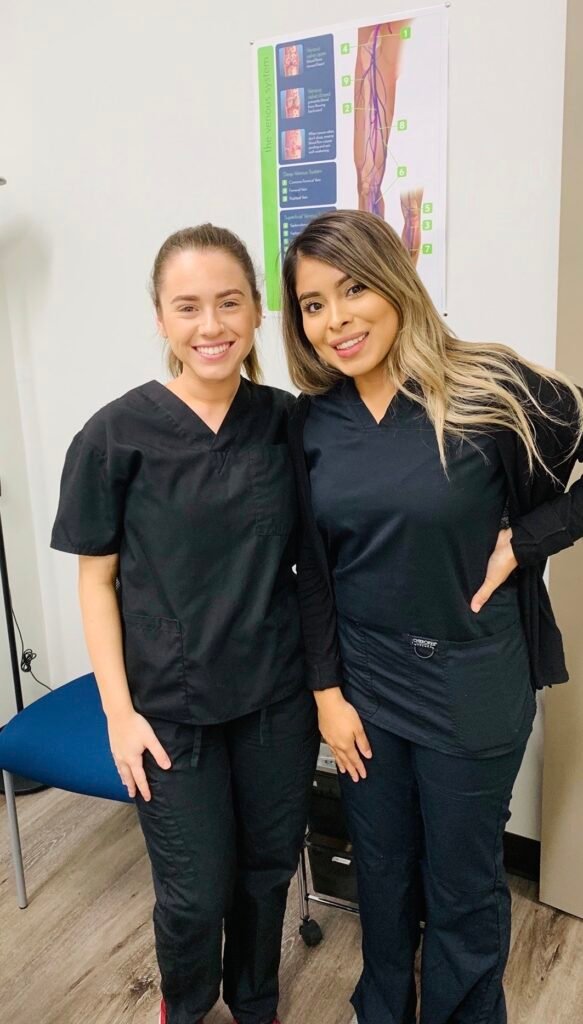
We Truly Care
You’re not just another patient. We take time to understand your needs, concerns, and comfort level.
Gentle, Non-Surgical Treatments
Explore minimally invasive treatment options designed around your individual condition and needs.
Personalized Care Plan
Your treatment recommendations are based on your evaluation, symptoms, and individual care needs.
Convenient Appointments
Our team helps you find an appointment time that works with your schedule.
Focused on Your Results
We monitor your progress and provide follow-up recommendations based on your needs.
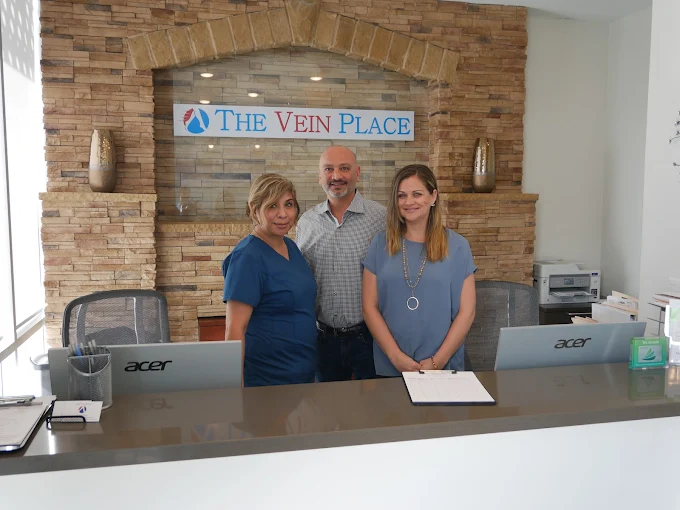
Your Journey to Better Vein Health Starts Here
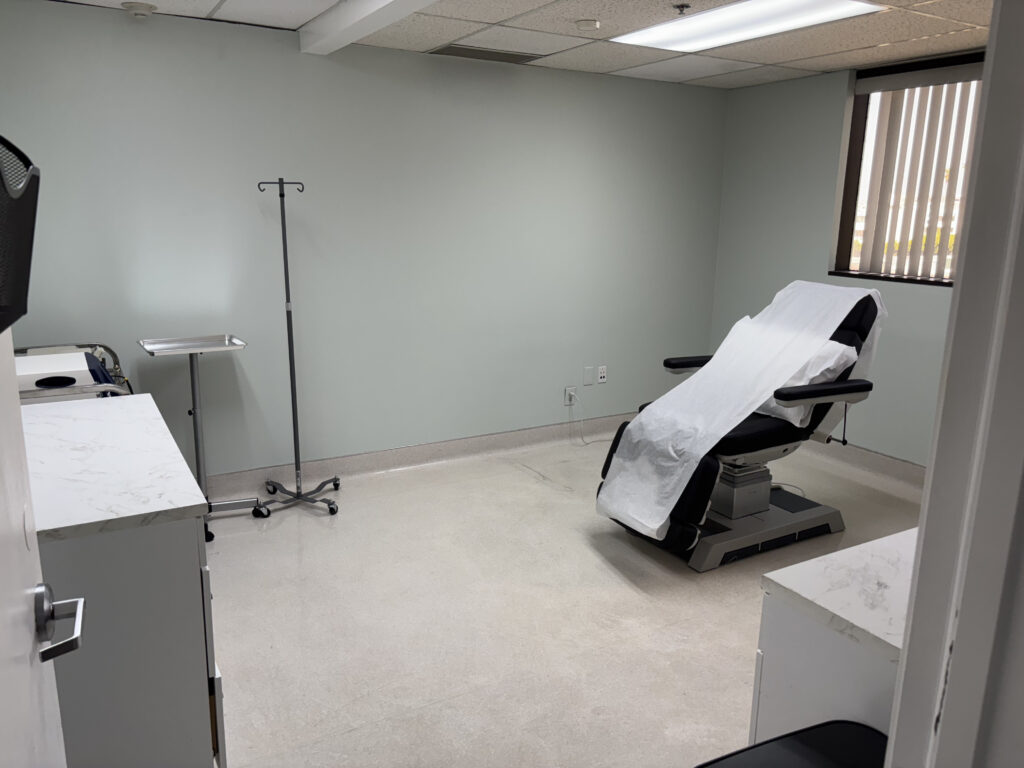
From your first consultation to a personalized treatment plan, our team makes every step simple and comfortable.
Contact The Vein Place OC to schedule your appointment. Our team will help you find a convenient time and explain what information you may need for your visit.
A vein specialist reviews your symptoms, medical history, and areas of concern. This evaluation helps determine whether further testing or treatment may be appropriate.
If needed, a duplex ultrasound examination helps assess blood flow and identify venous reflux or other abnormalities. The findings provide additional information for clinical decisions.
Based on your evaluation and test results, your specialist discusses appropriate treatment options, expected next steps, and any questions you may have.
Follow-up appointments are arranged according to your treatment and individual needs. Your care team can assess your progress and discuss any further recommendations.
Before / After
Patient: Linda M.
Age: 58
Condition: Varicose veins and visible vein bulging
Treatment: Radiofrequency Ablation + Sclerotherapy
Result: Significant reduction in visible varicose veins and a smoother appearance of the legs.
Patient Case Overview
Linda wanted to address prominent varicose veins and visible bulging in her legs. These veins affected the overall appearance of her legs, so she sought treatment to reduce their visibility and achieve a smoother look.
Treatment & Results
A combination of Radiofrequency Ablation and Sclerotherapy was used to address the affected veins. Radiofrequency Ablation targeted the underlying diseased vein, while Sclerotherapy focused on treating visible problem vessels.
Following treatment, Linda experienced a significant reduction in the appearance of varicose veins. The previously prominent veins became less noticeable, resulting in smoother-looking legs and a more even overall appearance.
Individual results and recovery times may vary.


Patient: Karen R.
Age: 35
Condition: Spider veins and small surface veins
Treatment: Sclerotherapy
Result: Spider veins became significantly less visible, with a more even-looking skin tone.
Patient Case Overview
Karen wanted to improve the appearance of spider veins and small visible surface veins. Her goal was to reduce their visibility and achieve a more even-looking skin tone.
Treatment & Results
Sclerotherapy was performed to target the visible spider veins and small surface vessels. The treatment focused on reducing the appearance of the affected veins and improving the overall look of the treated areas.
Following treatment, the spider veins became significantly less noticeable, resulting in a more even-looking skin tone and smoother overall appearance.
Individual results and recovery times may vary.


Best Vein Clinic in Orange County with Best reviews
Hear directly from our patients about their experiences and the care they received at our clinic.


Do You Have Any of These Symptoms?
Vein conditions can affect more than just the appearance of your legs.
Recognizing these signs can help you understand when to seek professional care.
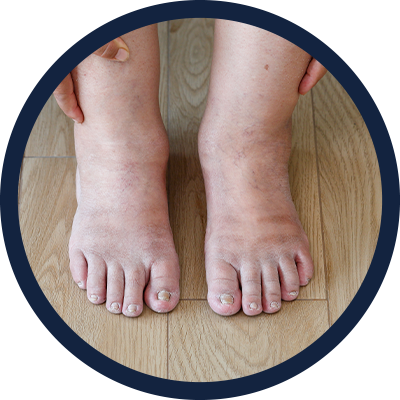
Swelling (Edema)
Swelling in the legs and ankles can be associated with venous insufficiency. When veins have difficulty returning blood toward the heart, fluid may accumulate in the lower extremities, causing swelling, discomfort, and heaviness.
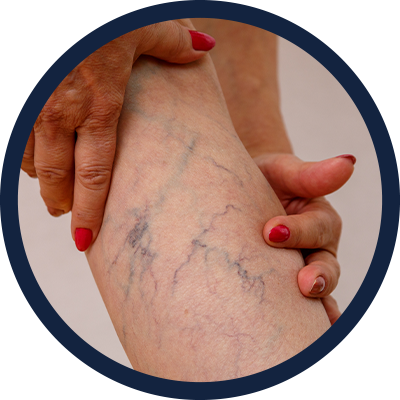
Varicose Veins
Varicose veins are enlarged, twisted veins that develop when blood collects in superficial veins. They may appear blue or purple and can cause aching, heaviness, swelling, or discomfort, especially after prolonged standing.
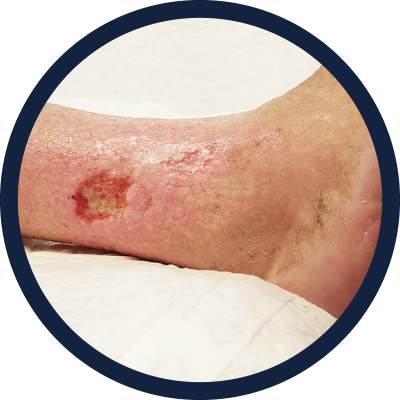
Leg Ulcers
Venous leg ulcers are open wounds that commonly develop around the lower leg or ankle as a result of chronic venous insufficiency. They may be painful and can take a long time to heal without appropriate care.

Restless Leg Syndrome (RLS)
Restless Leg Syndrome is a neurological condition characterized by an uncomfortable urge to move the legs, often while resting or at night. Some symptoms can overlap with vein-related discomfort, so identifying the cause is important.
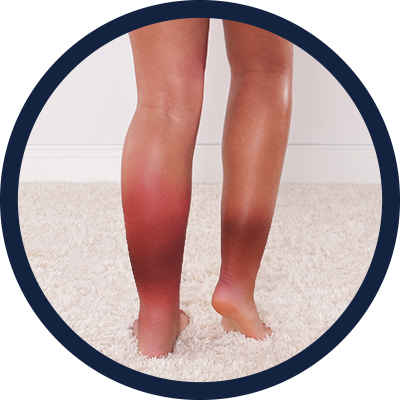
Hyperpigmentation
Chronic venous insufficiency can cause the skin around the ankles and lower legs to become darker. This discoloration may result from red blood cells leaking into surrounding tissue and iron pigment accumulating in the skin.
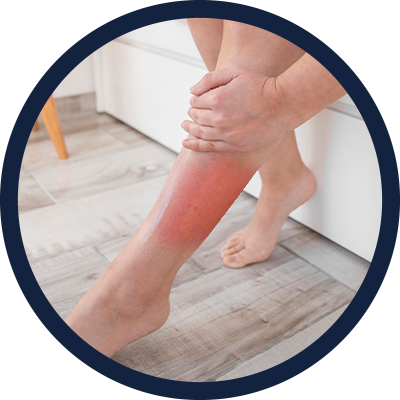
Lipodermatosclerosis
Lipodermatosclerosis is a chronic inflammatory condition affecting the skin and underlying tissue of the lower legs. It is associated with chronic venous insufficiency and may cause skin hardening, tenderness, and changes in leg shape.
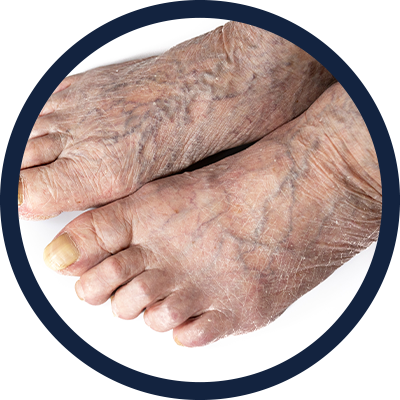
Corona Phlebectatica
Corona phlebectatica refers to a pattern of small, visible veins around the ankle and foot. It can be associated with advanced chronic venous disease and may indicate the need for further vein evaluation.
Experiencing Any of These Symptoms?
A professional vein evaluation can help identify the cause.
We Accept Most PPO & Medicare and Insurance Plans!
We accept most PPO insurance plans and will collaborate with your health insurance provider to verify your coverage to verify your coverage and health plan benefits. Many insurance plans cover the cost of your Vein and Wound care treatments. We assist you in navigating the insurance approval process so you can receive the treatment you need.







Frequently asked questions about vein treatments and procedures
Looking for guidance before your appointment? Our FAQ provides detailed answers to help you feel confident and informed about your care.
Can Varicose Veins Come Back After Treatment?
Treated varicose veins generally do not reopen after successful treatment. However, new varicose veins may develop in other veins over time. This can happen because chronic venous insufficiency is a long-term condition that may continue to affect the circulation in your legs.
Several factors can influence the development of new varicose veins, including:
-
Family history and genetic predisposition.
-
Prolonged standing or sitting.
-
Pregnancy and hormonal changes.
-
Aging and changes in vein function.
-
Excess pressure on the veins.
Regular follow-up appointments, physical activity, and compression therapy when recommended by your provider may help manage symptoms and support long-term vein health. If new veins or symptoms appear, a medical evaluation can help determine whether additional treatment is appropriate.
Is Varicose Vein Treatment Covered by Medicare or Private Insurance?
Varicose vein treatment may be covered by Medicare or private health insurance when it is considered medically necessary. Coverage often depends on your symptoms, diagnostic findings, previous conservative treatments, and the specific requirements of your insurance plan.
Treatments performed primarily for cosmetic reasons are generally not covered.
Insurance providers may consider factors such as:
-
Persistent leg pain, swelling, heaviness, or discomfort.
-
Skin changes or complications associated with venous disease.
-
Ultrasound findings showing venous reflux.
-
Documentation of conservative treatment, such as compression therapy, when required.
-
Medical necessity of the recommended procedure.
Coverage requirements vary between insurance plans. Before scheduling treatment, contact your insurance provider and ask about eligibility, authorization requirements, deductibles, and out-of-pocket costs. Our clinic can help you understand the information needed for the insurance verification process.
Can Treating Varicose Veins Improve My Quality of Life?
Yes. Treating symptomatic varicose veins may improve comfort, mobility, and daily quality of life. Varicose veins associated with chronic venous insufficiency can contribute to leg aching, heaviness, swelling, itching, and discomfort, particularly after prolonged standing or sitting.
Depending on the underlying condition and treatment approach, patients may experience improvements such as:
-
Reduced leg aching and heaviness.
-
Less swelling and discomfort.
-
Improved ability to stand or walk comfortably.
-
Relief from symptoms that interfere with daily activities.
-
Improvement in the appearance of prominent varicose veins.
The results depend on the severity of venous disease, the veins involved, and individual health factors. A vein specialist can evaluate your symptoms and recommend an appropriate treatment plan based on your medical needs.
What Should I Expect During My First Visit to a Vein Clinic?
Your first vein clinic appointment typically involves reviewing your medical history, discussing your symptoms, and evaluating the circulation in your legs. The purpose is to identify possible underlying vein problems and determine whether further diagnostic testing or treatment is appropriate.
During your initial visit, you can generally expect:
-
Medical history review: Discussion of your symptoms, previous treatments, medications, and relevant family history.
-
Physical examination: Evaluation of visible varicose veins, swelling, skin changes, and other symptoms.
-
Ultrasound evaluation: A venous ultrasound may be recommended when clinically indicated to assess blood flow and identify venous reflux.
-
Treatment discussion: Explanation of potential treatment options based on your evaluation.
-
Next steps: Recommendations for additional testing, conservative care, or a personalized treatment plan.
Your provider will also have an opportunity to answer your questions and explain what to expect before proceeding with treatment.
Will I Need Multiple Sclerotherapy Sessions to Remove Spider Veins?
The number of sclerotherapy sessions needed to treat spider veins varies from patient to patient. Some individuals achieve noticeable improvement after one session, while others require multiple treatments to address larger or more widespread areas.
The recommended number of sessions depends on several factors:
-
The number and size of visible spider veins.
-
The location and extent of the affected areas.
-
The underlying cause of the vein condition.
-
How the treated veins respond to the procedure.
-
Your individual cosmetic and medical goals.
Sclerotherapy involves injecting a specialized solution into targeted veins, causing them to gradually close and become less noticeable. Visible improvement usually develops over several weeks, although some veins may take longer to fade. Your provider can estimate the likely number of sessions after evaluating your veins.
How Long Does a Typical Vein Treatment Appointment Take?
The duration of a vein treatment appointment depends on the procedure, the number of veins being treated, and the complexity of your condition. Many minimally invasive vein procedures are performed in an outpatient setting and do not require an overnight hospital stay.
Typical appointment considerations include:
-
Sclerotherapy: Often takes approximately 15–45 minutes, depending on the number of areas treated.
-
Radiofrequency Ablation (RFA): Commonly takes approximately 30–60 minutes for the procedure, depending on the vein being treated and clinical circumstances.
-
Ultrasound evaluation: Additional time may be needed when diagnostic imaging is required.
-
Preparation and recovery: Your appointment may include time for preparation, post-procedure instructions, and observation.
Your provider will explain the expected appointment length, preparation requirements, and recovery recommendations before your procedure. Individual treatment times may vary.
BLOG ABOUT VEIN TREATMENT
Our blog covers a wide range of topics related to vein treatments and overall vascular wellness. Discover helpful guides, professional advice, and the newest advancements in vein care.

Can Varicose Veins Be Treated If You Have No Visible Symptoms?
Varicose veins can sometimes require evaluation even when they are not obvious or painful. Learn how underlying venous disease can be identified and treated for patients in Santa Ana, CA.

Can One Vein Treatment Fix Varicose Veins in Both Legs?
Treating varicose veins in both legs may be possible, but the approach depends on the veins involved and the underlying condition. Learn what patients in Santa Ana, CA should expect from treatment planning.

Why Do Some Veins Disappear After Treatment While Others Remain?
Some veins disappear after treatment while others remain or become visible later. Learn how vein type, underlying reflux, and treatment method can affect results for patients in Santa Ana, CA.
How to Find Us
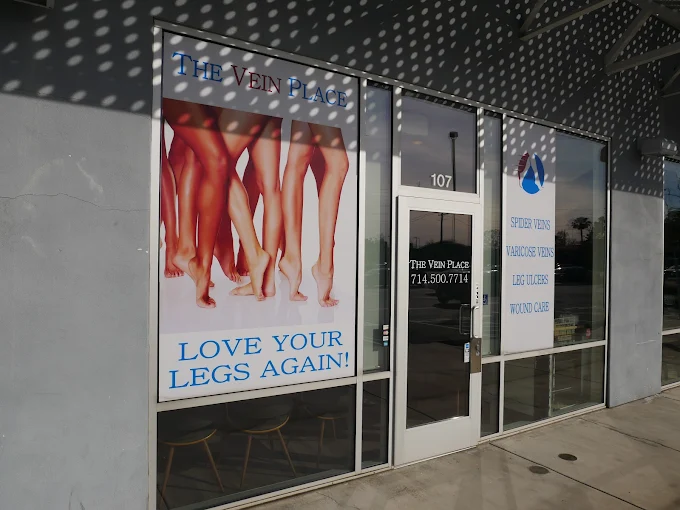
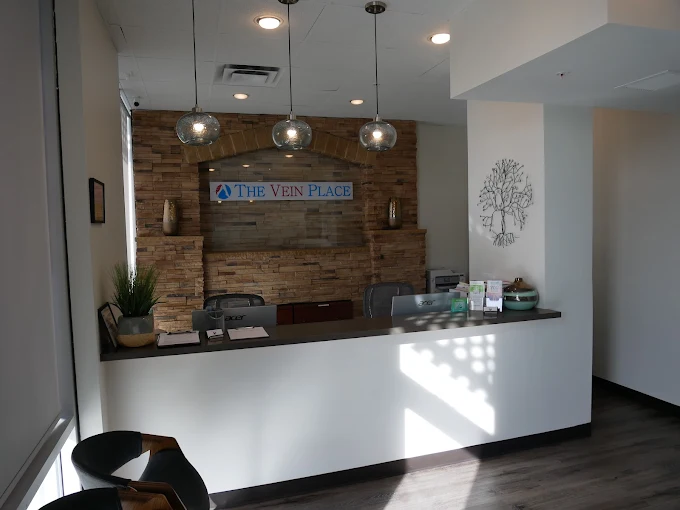
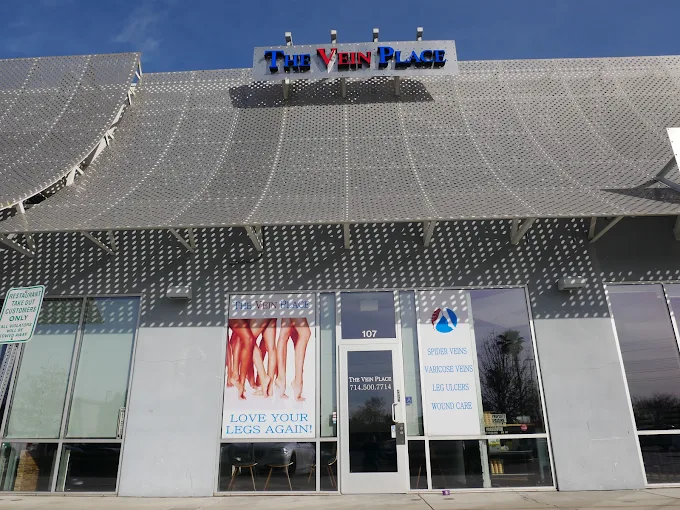
Our clinic is conveniently located in Santa Ana, OC, California, making it easy for patients across the area to access expert vein care.
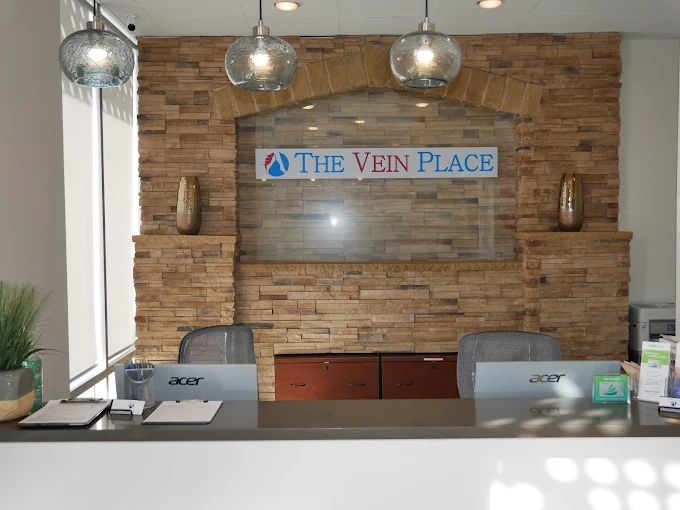
Visit The Vein Place OC
We’re here to help you take the next step toward better vein health. Visit our Santa Ana clinic for personalized vein care and professional support.
📍 Our Location
1945 17th St, Suite 107
Santa Ana, CA 92705, United States
📞 Contact Our Team
Phone: +1 (714) 500-7714
Fax: (562) 309-4921
Have questions or need help scheduling? Give our team a call.
🕒 Office Hours
- Monday – Friday: 9:00 AM – 5:00 PM
- Saturday – Sunday: Closed
We look forward to welcoming you!
Start Your Vein Treatment Journey Now
Take the first step toward healthier, more comfortable legs. Schedule your consultation today and discover the vein treatment options that suit you best.