
From Consultation to Recovery: What Sets a Quality Vein Clinic Apart From the Rest

Choosing a vein clinic is not just about finding someone who treats visible veins. It is about finding a team that looks deeper, explains your symptoms clearly, and builds a care plan around what is actually happening in your legs. The right clinic should guide you from the first consultation to follow-up care with the same focus: accurate diagnosis, safe treatment, and long-term comfort.

📍 Why Choosing the Right Vein Clinic in Orange County Matters

Leg vein problems can look simple on the surface, but the cause is not always visible. A patient may come in with bulging veins, swelling, heaviness, aching, or skin changes. In some cases, these symptoms may be linked to poor valve function or circulation issues beneath the skin. That is why the clinic you choose matters. A trusted vein clinic does not rush into treatment just because veins are visible. It starts with proper evaluation to find out what is causing the problem. It should begin with a complete evaluation, explain what the findings mean, and help the patient understand whether the issue is cosmetic, medical, or both. Good care also means looking beyond one appointment. The patient experience should include clear communication, realistic expectations, and follow-up after treatment to make sure recovery is moving in the right direction.

🩺 Services Every Quality Vein Clinic Should Offer

A strong clinic should provide more than one treatment option. It should offer the diagnostic tools and care process needed to match each patient with the right solution.

Comprehensive Ultrasound Vein Mapping

A vein clinic consultation should include more than a quick visual check. Ultrasound vein mapping helps show how blood is moving through the leg veins. It can identify damaged valves, backward blood flow, and the veins that may be contributing to swelling, heaviness, or visible changes. This step is important because two patients may have similar-looking veins but very different underlying problems. Without proper imaging, treatment may only address what appears on the surface while missing the source of the symptoms.

Minimally Invasive Treatment Options

Modern vein treatment is very different from older surgical approaches.

Many patients today can be treated with minimally invasive procedures that are performed with small entry points, image guidance, and less downtime than traditional surgery. Depending on the patient’s condition, options may include vein ablation, sclerotherapy, or other targeted treatments designed to close problem veins and redirect blood through healthier vessels. A quality clinic should explain why a certain treatment is recommended, what the patient can expect, and how the procedure fits into the overall care plan.

Personalized Follow-Up and Long-Term Care

Treatment does not end when the procedure is over. Follow-up care helps the clinic monitor healing, check results, and address any remaining symptoms or visible veins. Some patients may need staged treatment, compression guidance, or additional care depending on their condition. Long-term care is especially important for patients with ongoing risk factors, such as long hours of standing, pregnancy history, family patterns of vein problems, or recurring swelling. The goal should be lasting improvement, not just a quick cosmetic fix.

đź’¬ Questions to Ask Before Selecting a Vein Clinic

Before choosing a provider, patients should feel comfortable asking direct questions. A good clinic will welcome those questions and answer them clearly. Ask whether ultrasound evaluation is available before treatment. Ask who performs the procedure and what experience they have with vein care. Ask which treatment options are offered and how the clinic decides which one is appropriate. It is also helpful to ask about recovery, follow-up visits, insurance support, and what happens if symptoms continue after the first treatment.

Patients should also pay attention to how the clinic communicates. If the visit feels rushed, confusing, or focused only on appearance, it may not provide the level of care needed for a complete diagnosis. Choosing a vein specialist should come down to trust, experience, technology, and a care plan that makes sense for the patient’s actual condition.

🏥 Why Patients Choose The Vein Place OC

Patients choose The Vein Place OC because the care process is built around proper evaluation and personalized treatment. The team looks at symptoms, visible vein changes, medical history, and ultrasound findings when needed. This helps identify whether the concern is related to surface veins, deeper circulation problems, or a combination of both. The clinic offers modern vein treatment options for patients dealing with swelling, heaviness, discomfort, spider veins, or larger visible veins. Each recommendation is based on the patient’s condition rather than a one-size-fits-all approach.

From the first visit to recovery and follow-up, The Vein Place OC focuses on helping patients understand their vein health, feel confident in their options, and receive care that supports both comfort and long-term results.

âť“ Frequently Asked Questions

What Makes a Vein Clinic Different From a General Medical Practice?

A vein clinic focuses specifically on diagnosing and treating vein-related conditions. This often includes ultrasound evaluation, treatment planning, and minimally invasive procedures designed for vein problems.

Should Every Patient Receive an Ultrasound Evaluation?

Not every patient will need the same testing, but ultrasound is often important when symptoms suggest an underlying circulation issue. It helps show how blood is moving through the veins before treatment is recommended.

How Do I Choose the Right Vein Specialist?

Look for a provider who offers proper diagnostic testing, explains your results clearly, provides modern treatment options, and includes follow-up care as part of the process.

❓What Treatments Should a Modern Vein Clinic Offer?

A modern clinic may offer options such as compression guidance, sclerotherapy, vein ablation, and other minimally invasive treatments depending on the patient’s diagnosis and symptoms.

From Consultation to Recovery: What Sets a Quality Vein Clinic Apart From the Rest<br />
Choosing a vein clinic is not just about finding someone who treats visible veins. It is about finding a team that looks deeper, explains your symptoms clearly, and builds a care plan around what is actually happening in your legs. The right clinic should guide you from the first consultation to follow-up care with the same focus: accurate diagnosis, safe treatment, and long-term comfort.<br />
📍 Why Choosing the Right Vein Clinic in Orange County Matters<br />
Leg vein problems can look simple on the surface, but the cause is not always visible. A patient may come in with bulging veins, swelling, heaviness, aching, or skin changes. In some cases, these symptoms may be linked to poor valve function or circulation issues beneath the skin. That is why the clinic you choose matters. A trusted vein clinic does not rush into treatment just because veins are visible. It starts with proper evaluation to find out what is causing the problem. It should begin with a complete evaluation, explain what the findings mean, and help the patient understand whether the issue is cosmetic, medical, or both. Good care also means looking beyond one appointment. The patient experience should include clear communication, realistic expectations, and follow-up after treatment to make sure recovery is moving in the right direction.<br />
https://wellenpark.floridalakesveincenter.com/wp-content/uploads/sites/7/2024/05/FloridaLakesVein-Varithena-8579-800x533-1.jpg<br />
Alt text: Doctor performing a Varithena vein treatment on a patient's leg.<br />
🩺 Services Every Quality Vein Clinic Should Offer<br />
A strong clinic should provide more than one treatment option. It should offer the diagnostic tools and care process needed to match each patient with the right solution.<br />
Comprehensive Ultrasound Vein Mapping<br />
A vein clinic consultation should include more than a quick visual check. Ultrasound vein mapping helps show how blood is moving through the leg veins. It can identify damaged valves, backward blood flow, and the veins that may be contributing to swelling, heaviness, or visible changes. This step is important because two patients may have similar-looking veins but very different underlying problems. Without proper imaging, treatment may only address what appears on the surface while missing the source of the symptoms.<br />
Minimally Invasive Treatment Options<br />
Modern vein treatment is very different from older surgical approaches.<br />
Many patients today can be treated with minimally invasive procedures that are performed with small entry points, image guidance, and less downtime than traditional surgery. Depending on the patient’s condition, options may include vein ablation, sclerotherapy, or other targeted treatments designed to close problem veins and redirect blood through healthier vessels. A quality clinic should explain why a certain treatment is recommended, what the patient can expect, and how the procedure fits into the overall care plan.<br />
Personalized Follow-Up and Long-Term Care<br />
Treatment does not end when the procedure is over. Follow-up care helps the clinic monitor healing, check results, and address any remaining symptoms or visible veins. Some patients may need staged treatment, compression guidance, or additional care depending on their condition. Long-term care is especially important for patients with ongoing risk factors, such as long hours of standing, pregnancy history, family patterns of vein problems, or recurring swelling. The goal should be lasting improvement, not just a quick cosmetic fix.<br />
đź’¬ Questions to Ask Before Selecting a Vein Clinic<br />
Before choosing a provider, patients should feel comfortable asking direct questions. A good clinic will welcome those questions and answer them clearly. Ask whether ultrasound evaluation is available before treatment. Ask who performs the procedure and what experience they have with vein care. Ask which treatment options are offered and how the clinic decides which one is appropriate. It is also helpful to ask about recovery, follow-up visits, insurance support, and what happens if symptoms continue after the first treatment.<br />
Patients should also pay attention to how the clinic communicates. If the visit feels rushed, confusing, or focused only on appearance, it may not provide the level of care needed for a complete diagnosis. Choosing a vein specialist should come down to trust, experience, technology, and a care plan that makes sense for the patient’s actual condition.<br />
🏥 Why Patients Choose The Vein Place OC<br />
Patients choose The Vein Place OC because the care process is built around proper evaluation and personalized treatment. The team looks at symptoms, visible vein changes, medical history, and ultrasound findings when needed. This helps identify whether the concern is related to surface veins, deeper circulation problems, or a combination of both. The clinic offers modern vein treatment options for patients dealing with swelling, heaviness, discomfort, spider veins, or larger visible veins. Each recommendation is based on the patient’s condition rather than a one-size-fits-all approach.<br />
From the first visit to recovery and follow-up, The Vein Place OC focuses on helping patients understand their vein health, feel confident in their options, and receive care that supports both comfort and long-term results.<br />
âť“ Frequently Asked Questions<br />
What Makes a Vein Clinic Different From a General Medical Practice?<br />
A vein clinic focuses specifically on diagnosing and treating vein-related conditions. This often includes ultrasound evaluation, treatment planning, and minimally invasive procedures designed for vein problems.<br />
Should Every Patient Receive an Ultrasound Evaluation?<br />
Not every patient will need the same testing, but ultrasound is often important when symptoms suggest an underlying circulation issue. It helps show how blood is moving through the veins before treatment is recommended.<br />
How Do I Choose the Right Vein Specialist?<br />
Look for a provider who offers proper diagnostic testing, explains your results clearly, provides modern treatment options, and includes follow-up care as part of the process.<br />
What Treatments Should a Modern Vein Clinic Offer?<br />
A modern clinic may offer options such as compression guidance, sclerotherapy, vein ablation, and other minimally invasive treatments depending on the patient’s diagnosis and symptoms.<br />
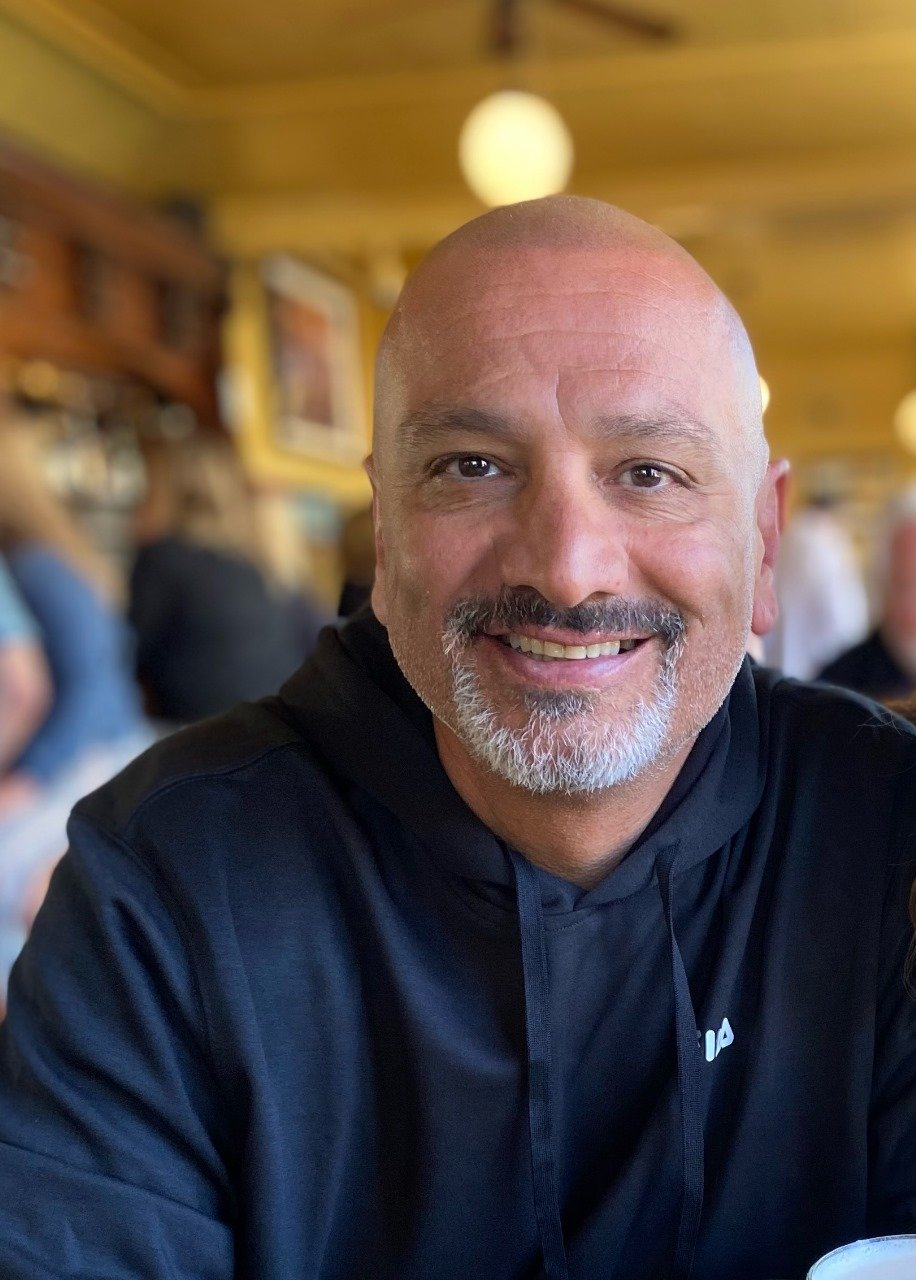
Andy Sharifi

Andy Sharifi

Position

Andy Sharifi is the founder and owner of Vein & Wound Experts. He oversees the clinic, ensuring exceptional service and a patient-focused approach to vein care. Andy is dedicated to creating a comfortable and supportive environment for every patient.