

The Role of a Vein Specialist in Preventing Future Circulation Problems
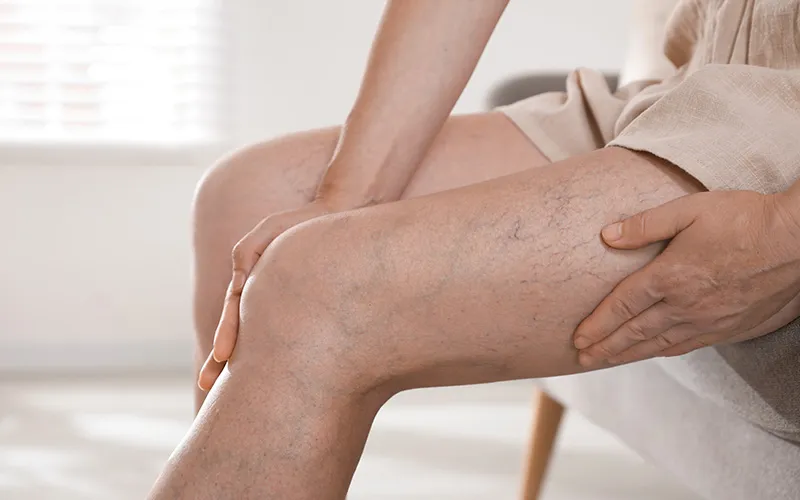
Leg circulation problems do not always start with severe pain. Sometimes they begin with small changes: swelling after a long day, heaviness in the calves, visible veins, or discomfort that keeps returning. A vein specialist can help identify these signs early, before they turn into larger problems that affect comfort, mobility, or skin health.
The goal is not only to treat what can be seen on the surface. It is to understand how blood is moving through the legs and create a plan that supports long-term vein health.
🩸 Why Healthy Vein Circulation Is Essential
Healthy veins help carry blood from the legs back toward the heart. Because blood has to move upward against gravity, the veins rely on small one-way valves and regular muscle movement to keep circulation working properly.
When those valves weaken, blood can pool in the lower legs. This may lead to swelling, aching, heaviness, skin changes, and visible vein enlargement over time. Good vein circulation helps reduce pressure in the legs, supports daily movement, and lowers the risk of symptoms becoming more difficult to manage.
🔍 How a Vein Specialist Identifies Early Circulation Problems
A vein specialist does more than look at visible veins. The evaluation usually focuses on symptoms, risk factors, and how well blood is moving through the leg veins. This helps determine whether the concern is mild, cosmetic, medical, or connected to a deeper circulation issue.
Duplex Ultrasound Imaging
Duplex ultrasound imaging helps show how blood flows through the veins. It can detect valve problems, backward blood flow, and areas where blood may be pooling.
This test is important because two patients can have similar symptoms but different causes. One person may have surface veins, while another may have deeper vein dysfunction. Ultrasound helps guide a more accurate treatment plan.
Risk Factor Evaluation
A specialist may also review risk factors that can affect vein health. These may include age, pregnancy history, long hours of sitting or standing, previous blood clots, excess weight, limited movement, or vein problems that run in the family.
For patients with circulation problems in the legs, this step helps explain why symptoms may be happening and whether they are likely to progress without care.
Personalized Prevention Strategies
Prevention looks different for every patient. Some people may need movement guidance, compression support, or monitoring. Others may need treatment for damaged veins before symptoms become more serious.
A personalized prevention strategy may include walking, leg elevation, avoiding long periods in one position, using compression when appropriate, and scheduling follow-up care when symptoms change.
🩺 Treatments That Improve Long-Term Circulation
Treatment depends on what the evaluation shows. If symptoms are mild, the first step may include lifestyle changes, compression therapy, and ongoing monitoring. These measures can help reduce swelling, support circulation, and ease discomfort during daily routines.
When damaged veins are contributing to symptoms, minimally invasive procedures may be recommended. Options may include sclerotherapy, vein ablation, or other targeted treatments designed to close problem veins and redirect blood through healthier pathways. For patients looking for a vein specialist in Orange County, the right treatment should be based on ultrasound findings, symptoms, and long-term goals, not just visible veins.
✅ Preventing Future Vein Disease Through Early Care
Vein disease prevention starts with paying attention to early symptoms. Swelling, leg heaviness, aching, throbbing, itching, visible veins, or skin changes should not be ignored when they keep returning.
Early care can help patients understand whether symptoms are temporary or linked to an underlying circulation issue. It can also make treatment simpler by addressing the problem before it becomes more advanced. A vein specialist can monitor changes over time, adjust the care plan when needed, and help patients protect their leg health before symptoms interfere with daily life.
❓ Frequently Asked Questions
What Does a Vein Specialist Treat?
A vein specialist treats conditions related to poor vein function, visible veins, leg swelling, heaviness, aching, skin changes, and circulation problems that may be caused by weakened vein valves.
Can Poor Circulation Be Prevented?
Some risk factors cannot be controlled, but healthy habits can help support circulation. Regular movement, leg elevation, compression when recommended, and early evaluation may reduce the chance of symptoms getting worse.
When Should Circulation Problems Be Evaluated?
Circulation problems should be evaluated when leg swelling, heaviness, aching, visible veins, skin discoloration, itching, or discomfort keeps returning or gets worse after sitting or standing.
Does Vein Treatment Improve Blood Flow?
Vein treatment can help redirect blood away from damaged veins and through healthier vessels. The exact benefit depends on the diagnosis, ultrasound findings, and treatment plan.
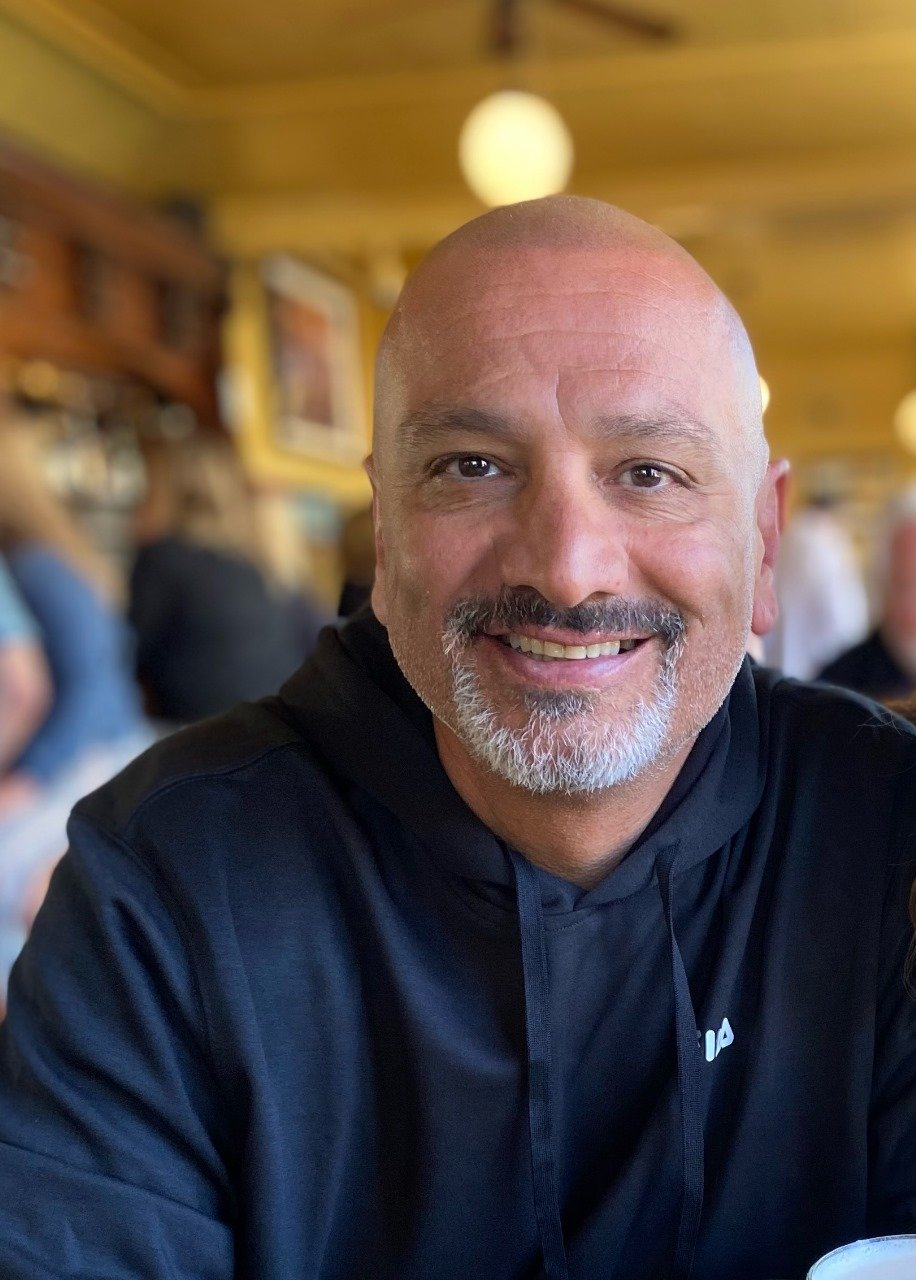
Andy Sharifi
Position