

Effective Treatments for Varicose Vein Ulcers: Expert Care & Relief
A leg sore that keeps reopening or refuses to heal is often more than a skin problem. When poor vein circulation creates pressure in the lower legs, the skin can weaken and break down. Healing then becomes harder because the wound is still sitting on top of the same circulation problem that caused it. Effective care has to do two things: help the ulcer heal and treat the vein issue behind it.
🦵 Why Varicose Vein Ulcers Develop
Varicose vein ulcers usually form when blood does not move properly out of the lower legs. Healthy veins use one-way valves to send blood back toward the heart. When those valves weaken, blood can flow backward and collect near the ankles and calves. This pressure can damage the surrounding skin over time.
Many ulcers are linked to chronic venous insufficiency, a condition where the veins struggle to return blood efficiently. Before an ulcer appears, patients may notice swelling, heaviness, itching, skin discoloration, dryness, or thickened skin around the lower leg. A small scratch or irritated area can then turn into an open wound that heals slowly.
🩹 Modern Treatments That Promote Healing
Successful venous leg ulcer care usually includes wound support, swelling control, and evaluation of the underlying vein problem. Treating the surface wound alone may help temporarily, but lasting improvement often requires a more complete approach.
Compression Therapy
Compression therapy is often a key part of ulcer treatment because it helps reduce swelling and supports blood flow in the legs. Depending on the wound and the patient’s condition, this may involve compression bandages, wraps, or medical-grade stockings.
The goal is to reduce pressure in the lower leg so the wound has a better chance to heal. Compression should be used under medical guidance, especially when an open ulcer is present, because the right type and pressure level matter.
Advanced Wound Care
Advanced wound care focuses on keeping the ulcer clean, protected, and supported while the body heals. This may include specialized dressings, moisture balance, infection prevention, removal of unhealthy tissue when needed, and regular monitoring.
A wound that is checked consistently is easier to manage than one that is left untreated. Proper dressing changes and follow-up visits also help the specialist track whether the ulcer is improving or whether the treatment plan needs to be adjusted.
Treating the Underlying Vein Disease
Wound care can help the ulcer close, but the root problem may still be active if damaged veins continue creating pressure in the leg. That is why a vein evaluation is often important for patients with recurring or slow-healing ulcers.
Modern care may include ultrasound testing to identify poorly functioning veins. If needed, treatment may involve minimally invasive options such as vein ablation, sclerotherapy, or other targeted procedures. The goal of varicose vein treatment in this situation is not only cosmetic improvement. It is to reduce pressure, improve circulation, and support more lasting healing.
🔁 How Specialists Help Prevent Ulcers From Returning
Venous ulcers can come back when the circulation problem remains untreated or swelling is not controlled. Prevention usually starts after the wound has improved, but the planning should begin early.
Specialists may recommend compression use, leg elevation, walking, skin care, weight management when appropriate, and regular follow-up. Patients are also taught to watch for warning signs such as new swelling, darkened skin, itching, tenderness, or a sore that does not improve.
If ultrasound shows that damaged veins are contributing to the problem, treating those veins may help reduce the risk of recurrence. Long-term care is often about controlling pressure in the leg, protecting the skin, and addressing vein disease before another wound develops.
⏰ Why Early Treatment Leads to Better Outcomes
The earlier a venous ulcer is evaluated, the easier it may be to control swelling, protect the skin, and begin the right treatment. Waiting too long can allow the wound to grow, become infected, or affect walking, sleep, and daily comfort.
Early care also gives specialists time to identify whether the ulcer is connected to deeper vein dysfunction. When both the wound and the circulation problem are treated, patients have a better chance of healing properly and reducing the risk of future ulcers. A slow-healing leg wound should never be treated as a minor irritation. It is often a sign that the leg needs medical attention, circulation support, and a plan built around long-term recovery.

❓ Frequently Asked Questions
What Causes Varicose Vein Ulcers?
They are usually caused by poor vein circulation in the lower legs. When vein valves weaken, blood can pool and create pressure that damages the skin over time. This can lead to a slow-healing wound, often near the ankle.
Can Venous Ulcers Heal Without Vein Treatment?
Some ulcers may improve with wound care and compression, but they may return if the underlying vein problem is still active. Many patients need evaluation to see whether damaged veins are contributing to the wound.
How Long Does Ulcer Treatment Take?
Healing time depends on the size of the ulcer, circulation, swelling, infection risk, and how early treatment begins. Some wounds take weeks, while others need longer and require close follow-up.
Can Venous Ulcers Come Back After Healing?
Yes. Venous ulcers can return if swelling, skin changes, or poor vein function continue. Compression, follow-up care, healthy movement, and treatment of the underlying vein disease can help reduce the risk.
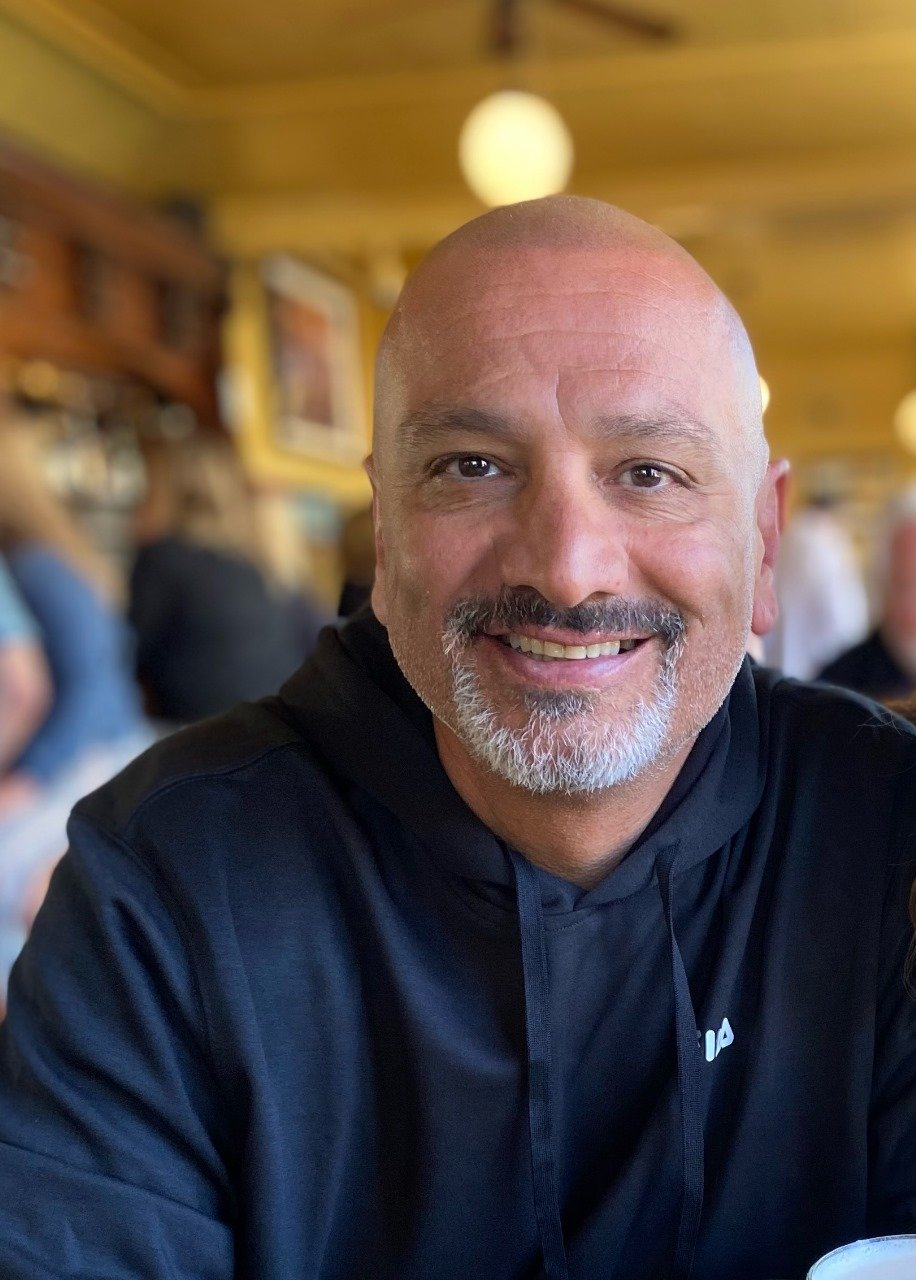
Andy Sharifi
Position