
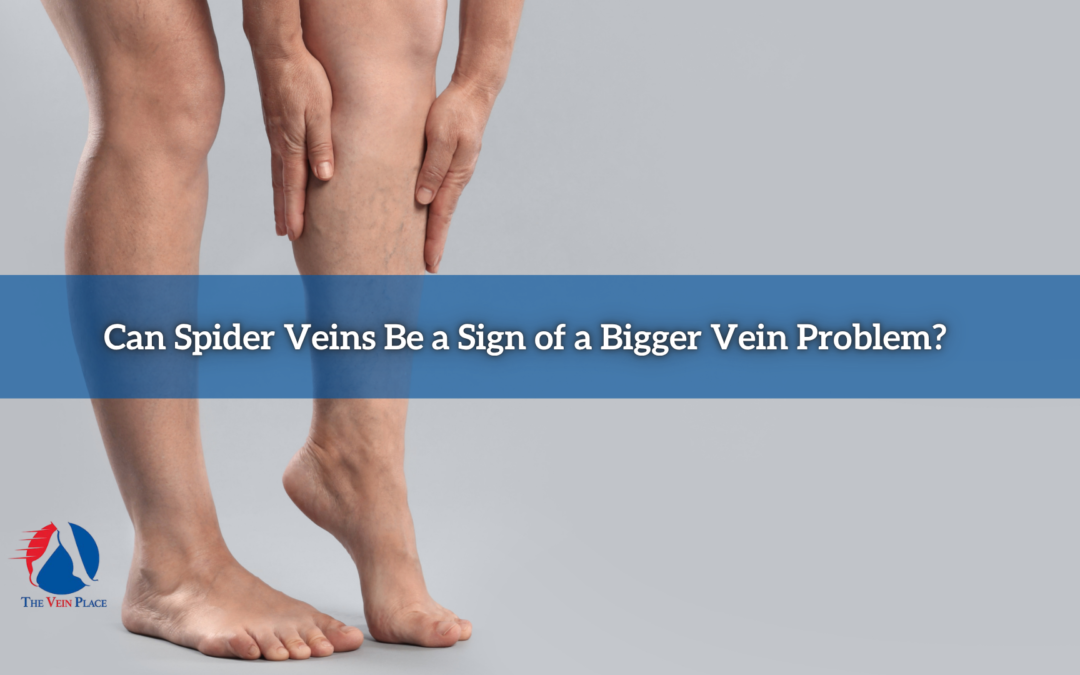
Can Spider Veins Signal a More Serious Vein Problem?
Those small red, blue, or purple lines on your legs may seem like a cosmetic concern, especially when they do not hurt. But sometimes, what appears on the surface can be connected to a circulation problem underneath.
Most spider veins are harmless and do not require medical treatment. However, when they appear alongside swelling, aching, heaviness, or tired legs, it may be worth looking beyond their appearance.
🕸️ Spider Veins and Vein Disease: When Should You Look Deeper?
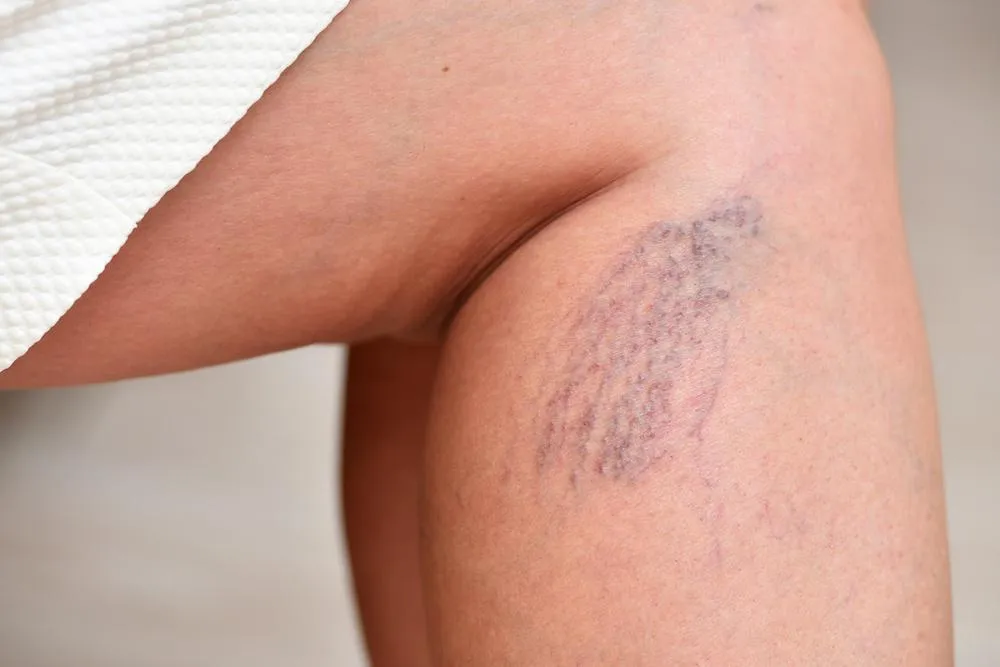
These small red, blue, or purple vessels commonly appear close to the surface of the skin. They are usually considered a cosmetic concern and may not cause any symptoms on their own. In some patients, however, these visible vessels can appear alongside a deeper circulation problem. That does not mean every person with them has an underlying vein condition. The more important question is whether other symptoms, such as swelling, heaviness, or aching, are present.
Are Spider Veins a Sign of Venous Insufficiency?
Not necessarily. Many people have spider veins without having venous insufficiency or another significant circulation problem. The concern becomes greater when visible veins appear along with symptoms such as leg heaviness, swelling, aching, burning, cramping, or fatigue. These symptoms may suggest that blood is not moving efficiently through the leg veins and deserves a closer evaluation.
When Cosmetic Veins May Need More Attention
If the only concern is the appearance of small surface vessels and there are no other symptoms, treatment may be primarily cosmetic. But changes in the legs should not automatically be dismissed as cosmetic. New or increasing swelling, discomfort after standing, skin changes, or persistent leg fatigue may indicate that something deeper needs to be checked. Looking at the veins alone cannot determine whether there is an underlying circulation problem.
🩺 What Symptoms Should You Watch For?
Pay attention to how your legs feel, not just how they look.
- Heaviness and Aching – Legs that feel unusually heavy or achy, particularly toward the end of the day, may be a sign of poor venous circulation. Some people notice that symptoms become worse after standing or sitting for long periods and improve when they walk or elevate their legs.
- Swelling – Swelling around the ankles or lower legs is another symptom worth noticing. Occasional swelling can have many causes, but recurring swelling that accompanies visible veins may warrant a closer look.
- Leg Fatigue and Discomfort – Your legs should not consistently feel exhausted after normal daily activities. Persistent tiredness, throbbing, itching, burning, or cramping can sometimes occur alongside deeper vein problems. When several of these symptoms appear together, an evaluation can help determine whether they are connected.
🔎 What Happens During a Spider Veins Evaluation?
A specialist will typically start by reviewing your symptoms and medical history and examining the affected areas. The goal is to determine whether the visible vessels appear to be an isolated concern or whether there are signs of a deeper problem. If the symptoms suggest an underlying issue, additional testing may be recommended. A duplex ultrasound can show how blood is moving through the veins and whether the valves are working properly. This noninvasive test can help identify backward blood flow and other circulation concerns that cannot be seen simply by looking at the skin.
That information can make a major difference in treatment planning. If deeper vein dysfunction is present, treating only the visible surface vessels may not address the source of the symptoms.
💡 Why the Diagnosis Matters Before Treatment
Treatment should match the reason the veins are appearing, not simply their location or appearance. For patients whose concern is primarily cosmetic, options such as sclerotherapy may be considered. When an underlying circulation problem is identified, that issue may need to be addressed as part of the treatment plan. This is why a proper diagnosis comes before deciding on a procedure. Treating visible vessels without checking for deeper problems may leave the underlying cause unaddressed.
🏥 How The Vein Place OC Evaluates Your Vein Health
The Vein Place OC takes a broader approach when evaluating patients with visible veins and related symptoms. The team considers what the patient is experiencing, examines the affected areas, and uses diagnostic findings when needed to determine whether there is an underlying circulation issue. A duplex ultrasound can provide a closer look at blood flow and vein function when symptoms indicate that further evaluation is appropriate. Treatment recommendations are then based on the findings rather than appearance alone. Depending on the condition, care may include sclerotherapy, vein ablation, compression therapy, or other appropriate options.
If you have noticed new visible veins or are also experiencing swelling, heaviness, aching, or leg fatigue, a professional evaluation can help you understand what is really happening beneath the surface.
📞 Ready to Find Out What Your Veins Are Telling You?
You do not have to guess whether your visible veins are simply cosmetic or connected to a deeper circulation concern. Schedule an evaluation with The Vein Place OC to discuss your symptoms, understand your vein health, and find out which treatment options may be appropriate for you.
❓ Frequently Asked Questions
Are Spider Veins Only a Cosmetic Concern?
Often, yes. Spider veins are usually harmless and may not cause any symptoms. However, when they appear with swelling, heaviness, aching, or other leg symptoms, a deeper vein problem may need to be considered.
Can Spider Veins Indicate a Deeper Vein Problem?
They can sometimes appear alongside conditions such as venous insufficiency, but their presence alone does not mean you have a serious vein disorder. Other symptoms and diagnostic findings help determine whether deeper veins are involved.
Should Spider Veins Be Evaluated by a Vein Specialist?
An evaluation may be worthwhile if the veins are new, increasing, or accompanied by swelling, aching, heaviness, fatigue, or skin changes. A specialist can determine whether the concern is primarily cosmetic or connected to an underlying circulation issue.
How Are Spider Veins Diagnosed?
A specialist may begin with a physical examination and review of your symptoms and medical history. If a deeper circulation problem is suspected, a duplex ultrasound can help evaluate blood flow and vein valve function.

Andy Sharifi
Position