
Can Burning Legs Be a Symptom of Vein Disease?
A burning feeling in your legs can be uncomfortable, distracting, and sometimes difficult to explain. It may happen after a long day on your feet, become worse at night, or appear alongside swelling and heaviness.
Vein problems can sometimes play a role, but burning is not automatically a sign of a circulation issue. Nerve problems, diabetes, certain medications, skin conditions, and other health concerns can also cause similar sensations. That is why identifying the cause matters before deciding on vein treatment.
🔥 Burning Legs Vein Disease: Is There a Connection?
Chronic venous insufficiency can cause burning, aching, heaviness, swelling, and other forms of leg discomfort. When the valves inside the leg veins do not work properly, blood can collect in the lower legs instead of moving efficiently back toward the heart. This increases pressure inside the veins and can contribute to uncomfortable sensations. Burning linked to a vein problem may appear along with other signs, such as swollen ankles, tired legs, itching, visible veins, or symptoms that become worse after prolonged standing. Looking at the full pattern is more useful than focusing on the burning sensation alone.
How Poor Vein Function Can Cause Discomfort
Healthy veins use one-way valves to help move blood upward. When those valves become weak, some blood can flow backward and pool in the legs. The resulting pressure can affect surrounding tissues and contribute to inflammation and discomfort. Some patients describe the sensation as warmth, burning, aching, or a feeling that their legs are unusually tired.
🦵 Burning Sensation in Legs: What Else Could Cause It?
Not every burning sensation comes from the veins. Nerve-related conditions are a particularly common cause of burning in the feet and legs. Peripheral neuropathy can be associated with diabetes, vitamin deficiencies, certain medications, alcohol use, kidney or thyroid conditions, and other medical issues.
Other possible causes include skin infections, nerve compression, and problems involving the arteries. For example, reduced arterial blood flow can cause leg pain during activity and may require a different type of evaluation. This is why it is important not to assume that burning automatically means you have a vein condition. A proper medical evaluation can help narrow down the possible cause.
🩸 Vein Disease Symptoms That May Occur With Burning
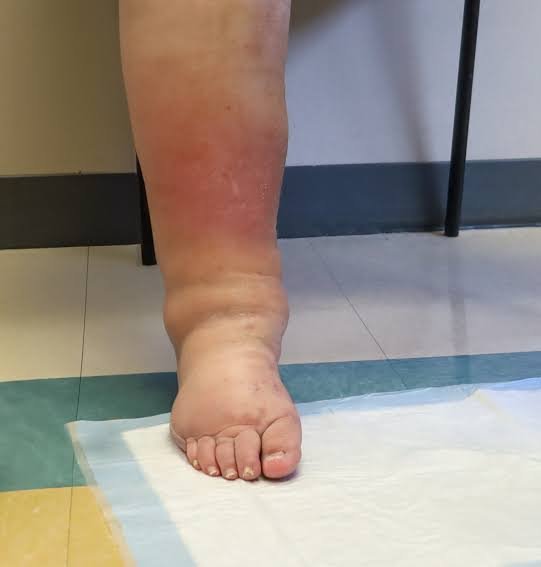
Burning is more suggestive of a vein-related problem when it appears alongside other symptoms associated with poor venous circulation. You may notice swelling around the ankles, a heavy or tired feeling in the legs, aching after standing, itching, visible bulging veins, or skin changes around the lower legs. These symptoms can become more noticeable toward the end of the day or after spending long periods on your feet.
The combination of symptoms matters. Someone experiencing burning along with persistent swelling and heaviness may need a different evaluation than someone whose only symptom is an occasional burning sensation.
🔍 How a Specialist Determines the Cause
Because several conditions can produce similar symptoms, diagnosis should start with a detailed review rather than assuming the problem is venous. During an evaluation, a specialist may ask when the burning started, where it occurs, whether it gets worse at certain times, and whether other symptoms appear with it. Your medical history and any medications or existing health conditions may also be relevant.
An ultrasound evaluation can be used when a vein problem is suspected. Vascular ultrasound can assess blood flow and help identify conditions such as chronic venous insufficiency and other vascular problems. The results can show whether blood is moving normally through the veins or whether valve dysfunction and backward blood flow may be contributing to your symptoms.
✅ What Treatment May Help?
Treatment depends on what is actually causing the burning. If the symptoms are connected to venous insufficiency, care may include lifestyle changes, compression therapy, or minimally invasive procedures designed to address problem veins. Treatment recommendations should be based on the findings from your examination and imaging rather than the presence of one symptom alone.
Simple measures such as regular movement, avoiding long periods in one position, and elevating the legs may also help some patients manage circulation-related discomfort. If the burning has another cause, however, treating the veins may not resolve the sensation. That is another reason accurate diagnosis is important.
🏥 When Should Burning Leg Symptoms Be Evaluated?
Occasional leg discomfort after a long day may not indicate a serious problem. But persistent or worsening burning deserves attention, particularly when it is accompanied by swelling, heaviness, skin changes, visible veins, numbness, or increasing pain. You should also seek medical evaluation if the sensation spreads, becomes significantly more painful, or is accompanied by loss of feeling. Persistent burning without an obvious cause may require evaluation for nerve-related or other medical conditions.
At The Vein Place OC, the evaluation focuses on finding the source of your symptoms rather than assuming every leg complaint is caused by a vein problem. A physical examination and ultrasound evaluation can help determine whether venous insufficiency is contributing to your discomfort and whether treatment may be appropriate.
🩺 Get Your Vein Symptoms Evaluated
If burning, aching, swelling, or heaviness is affecting your daily life, schedule an evaluation with The Vein Place OC to find out what may be causing your symptoms and what options are available.
❓ Frequently Asked Questions
Can vein disease cause burning legs?
Yes. Chronic venous insufficiency can cause burning, aching, heaviness, swelling, and itching because damaged vein valves can allow blood to pool in the lower legs. Burning alone, however, does not confirm a vein problem.
What else can cause a burning sensation in the legs?
Nerve-related conditions such as peripheral neuropathy are common causes, particularly in people with diabetes. Other possibilities include vitamin deficiencies, certain medications, thyroid or kidney conditions, infections, and nerve compression.
Is burning associated with varicose veins?
It can be. Enlarged veins may occur alongside symptoms such as aching, heaviness, itching, swelling, or burning. However, visible veins do not necessarily explain every burning sensation, so other causes may need to be considered.
When should burning leg symptoms be evaluated?
Consider an evaluation when burning is persistent, worsening, or accompanied by swelling, heaviness, skin changes, numbness, or significant pain. A specialist can determine whether the symptoms are related to venous circulation or require evaluation for another cause.

Andy Sharifi
Position