

Vein Ablation or Sclerotherapy: What to Choose
Visible veins, leg heaviness, swelling, and aching discomfort can all point to underlying vein disease, but not every vein condition requires the same treatment. Two of the most commonly recommended procedures today are vein ablation and sclerotherapy.
While both treatments are designed to improve circulation and reduce troublesome veins, they work in different ways and are often used for different types of vein conditions. The right procedure depends on factors such as vein size, underlying circulation problems, and the symptoms a patient is experiencing.
🩺 Vein Ablation and Sclerotherapy: How They Work
Although both procedures are minimally invasive, they target vein disease differently depending on the size and function of the affected veins.
How Vein Ablation Works
Vein ablation is commonly used to treat larger veins affected by venous insufficiency. During the procedure, a specialist inserts a thin catheter into the damaged vein using ultrasound guidance. Heat energy is then delivered through the catheter to close the vein from the inside.
Once the vein is sealed, blood naturally reroutes through healthier vessels. This helps reduce pressure within the leg and addresses the underlying circulation problem contributing to symptoms. Because it treats the source of venous reflux, ablation is often considered one of the most effective treatments for larger varicose veins associated with chronic venous insufficiency.
How Sclerotherapy Works
Sclerotherapy takes a different approach. Instead of using heat, a specialized solution is injected directly into the targeted vein. The solution causes the vein walls to collapse and gradually be absorbed by the body over time.
This treatment is frequently used for smaller varicose veins and spider veins that may not require closure through thermal techniques. Many patients seeking cosmetic improvement or treatment for surface veins are good candidates for sclerotherapy.
Conditions Each Treatment Addresses
The choice often depends on the type of vein being treated. Larger veins that contribute to poor circulation typically respond better to ablation procedures. Smaller visible veins closer to the surface often respond well to injection-based treatment.
This distinction plays an important role in any meaningful vein ablation vs. sclerotherapy discussion because each procedure is designed to solve a different problem.
⚖️ Key Differences Between the Procedures
Although both procedures fall under modern vein treatment options, their goals and applications are not identical.
Treatment Goals
Vein ablation is primarily focused on correcting underlying venous insufficiency and improving blood flow patterns. Sclerotherapy is commonly used to eliminate visible veins and address smaller vessels that may remain after circulation problems have been treated. In many cases, the procedures complement each other rather than compete against one another.
Recovery Expectations
Both treatments are considered minimally invasive and generally involve significantly less downtime than traditional surgery.
Most patients are encouraged to walk shortly after treatment and can return to many normal activities relatively quickly. Recovery recommendations vary based on the procedure performed and the patient’s overall condition, but both options are known for relatively convenient recovery periods.
Effectiveness for Different Vein Types
When considering the best treatment for varicose veins, the size and severity of the affected veins matter. Ablation is often more effective for larger veins responsible for venous reflux. Sclerotherapy is commonly used for smaller veins that are visible near the surface of the skin. This is why a spider vein treatment comparison does not always provide a complete answer. The most effective procedure depends on the underlying cause of the symptoms rather than appearance alone.
🔍 Which Treatment May Be Right for You?
Treatment recommendations are based on diagnostic findings, symptom severity, and the specific veins involved.
Spider Veins
Spider veins are small, visible vessels that typically appear near the surface of the skin. While they may cause cosmetic concerns and occasional discomfort, they often do not involve significant circulation dysfunction. For many patients, sclerotherapy is a highly effective treatment option for these smaller veins.
Varicose Veins
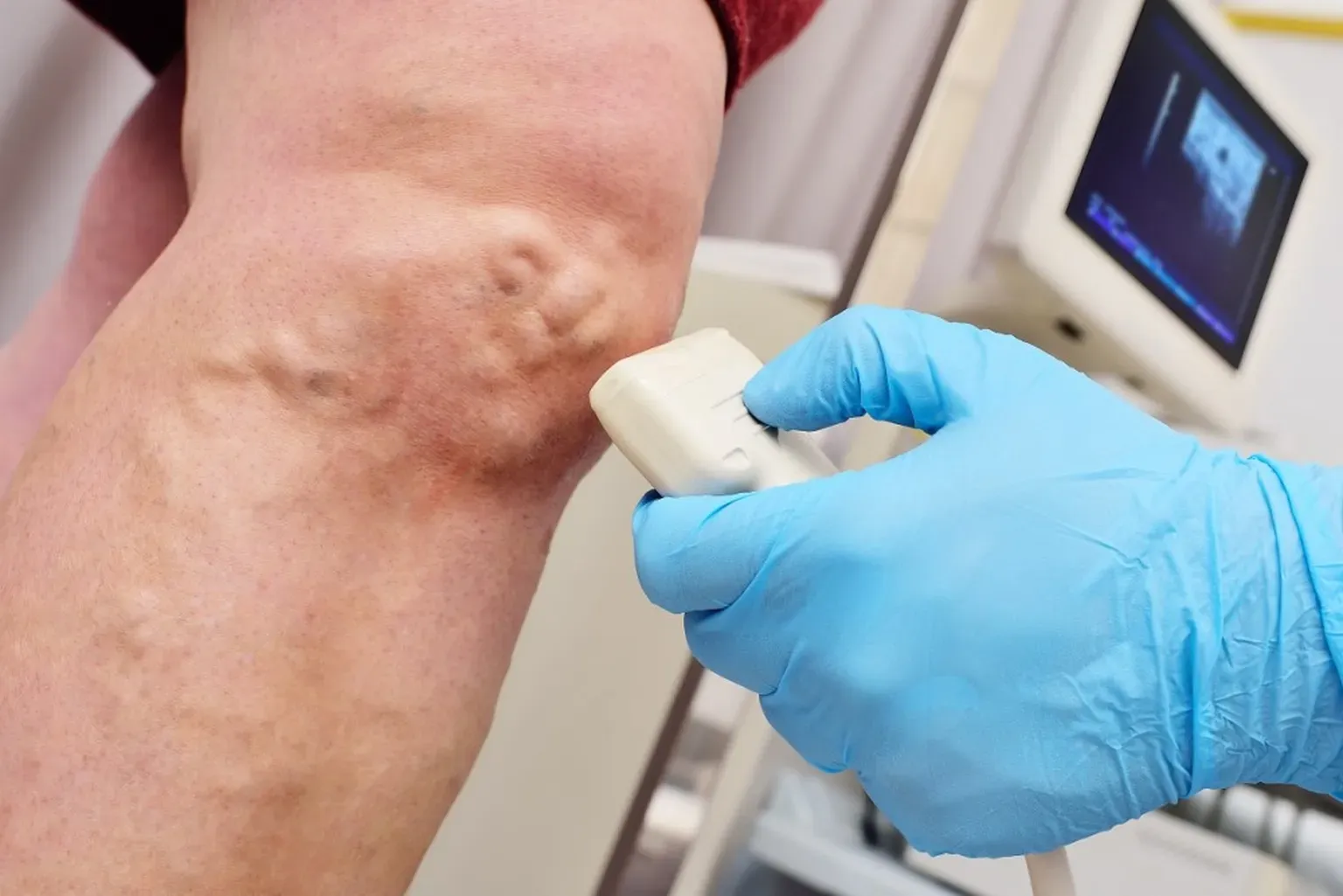
Varicose veins are larger, enlarged vessels that may be associated with aching, swelling, heaviness, and chronic venous insufficiency. When ultrasound testing identifies valve dysfunction within larger veins, ablation may be recommended to address the source of the problem rather than simply treating visible symptoms.
Combined Treatment Approaches
Many patients benefit from a combination of procedures. Ablation may be used first to treat the underlying circulation issue, while sclerotherapy can later address remaining surface veins. This approach allows specialists to improve both vascular function and cosmetic appearance when appropriate.
Rather than choosing one procedure over another, some patients achieve the best outcomes through a carefully planned combination strategy.
🏥 How The Vein Place Develops Treatment Plans
The right treatment depends on what is actually causing the symptoms. The Vein Place uses comprehensive evaluations and ultrasound imaging to assess vein function, identify venous insufficiency, and determine which vessels are contributing to discomfort or visible vein changes. Treatment recommendations are then tailored to the patient’s condition, symptoms, and long-term goals.
Whether a patient requires ablation, sclerotherapy, or a combination of procedures, the focus remains on selecting the most appropriate solution based on medical findings rather than a one-size-fits-all approach.
❓Frequently Asked Questions
Is vein ablation better than sclerotherapy?
Neither procedure is universally better. Vein ablation is often used for larger veins affected by venous insufficiency, while sclerotherapy is commonly recommended for smaller visible veins. The best option depends on the underlying condition being treated.
Can both treatments be used together?
Yes. Many patients undergo ablation to address circulation problems and later receive sclerotherapy for remaining surface veins.
Which treatment has less downtime?
Both procedures are minimally invasive and typically involve relatively short recovery periods. Specific recommendations vary based on the patient’s condition and treatment plan.
❓Does insurance cover either procedure?
Insurance coverage often depends on whether treatment is considered medically necessary. Coverage varies between providers and individual plans, making consultation and verification important steps before treatment.

Andy Sharifi
Position