
Why Are the Veins in My Legs Becoming More Visible?
Noticing more veins in your legs can be unsettling, especially when they were barely visible before. Sometimes the change is simply related to thinner skin, body composition, or normal changes over time. In other cases, it can be a sign that the veins are under more pressure than they should be. The important question is not just how the veins look, but whether anything else has changed. Swelling, heaviness, aching, itching, or discomfort can provide important clues about what is happening beneath the skin.
👀 Why Are My Leg Veins More Visible?
Several factors can make veins easier to see. As we age, the skin naturally becomes thinner and loses some of its elasticity, which can make the veins underneath more noticeable. Changes in body composition can have a similar effect, particularly when there is less tissue covering the veins. Genetics can also influence how prominent your veins appear. Hormonal changes, including those associated with pregnancy, may affect the veins as well. Heat and physical activity can temporarily make surface veins stand out more because blood vessels expand.
Sometimes, however, the change is related to a vein problem. When valves inside the leg veins become weak, blood can move backward and collect in the lower legs. This increased pressure can cause veins to stretch, enlarge, and become more noticeable over time.
🕸️ Are All Visible Leg Veins a Sign of Disease?
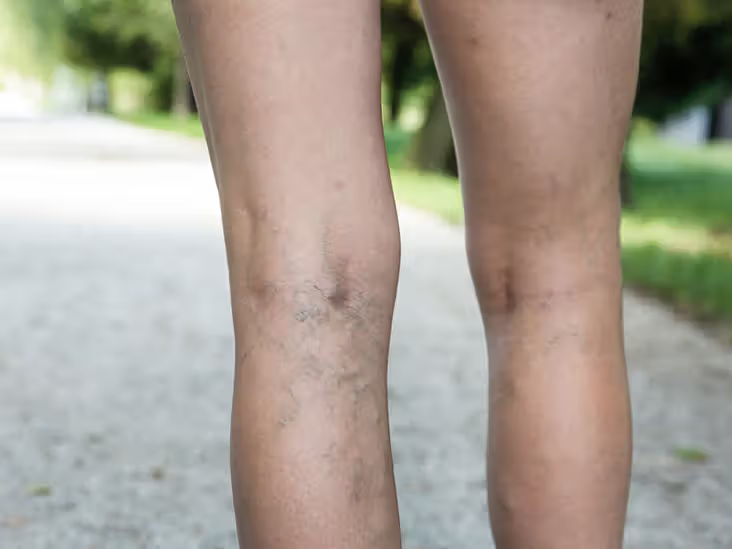
Not every visible vein signals a medical problem. Some changes are mainly cosmetic, while others may be linked to an underlying circulation issue. Spider veins are small, thin vessels that often appear as red, blue, or purple lines close to the skin and may not cause any discomfort.
Larger, raised, or twisted veins are more likely to be associated with symptoms such as aching, heaviness, swelling, itching, or cramping. When these changes appear alongside ongoing leg discomfort, it is worth looking beyond appearance alone.
🩸 When Visible Veins May Point to Vein Disease
A change in appearance becomes more important when it comes with other symptoms. Swelling around the ankles, legs that feel heavy or tired, aching that gets worse after standing, or discomfort that improves after elevating the legs can all be signs that circulation needs closer attention. Visible veins and vein disease are not always connected, but persistent symptoms can suggest that blood is not moving efficiently through the leg veins. Weakened valves can allow blood to flow backward and pool in the lower legs, increasing pressure inside the veins. Skin changes can also be a reason to seek an evaluation. Darkening, irritation, itching, or changes in the skin around the ankles may occur when pressure in the veins remains elevated over time.
⏳ Can Vein Changes Become Worse Over Time?
They can. A vein that is only slightly noticeable today may become larger or more prominent as pressure continues to build. This does not mean every visible vein will progress into a serious condition, but recurring symptoms should not simply be dismissed as a cosmetic concern. Pay attention to changes in swelling, discomfort, skin appearance, or the number and size of enlarged veins. Early evaluation can help determine whether the change is harmless or connected to a condition that may benefit from treatment.
🩺 How a Vein Evaluation Finds the Cause
A proper vein evaluation looks at more than what can be seen on the skin. A specialist may review your symptoms and medical history, examine your legs, and use ultrasound imaging when an underlying circulation problem is suspected. A duplex ultrasound can show how blood is moving through the veins and whether valves are allowing blood to flow backward. This gives the specialist a clearer picture of what is causing the visible changes and whether treatment is medically appropriate. Treatment depends on the findings. Some patients may simply need monitoring or lifestyle guidance, while others may benefit from compression therapy, sclerotherapy, vein ablation, or another targeted treatment.
🏥 When Should Visible Veins Be Evaluated?
You do not necessarily need treatment just because you can see veins in your legs. But an evaluation is worth considering when the change is new, continues to increase, or comes with swelling, heaviness, aching, itching, skin changes, or other discomfort. The Vein Place OC provides comprehensive evaluations to determine whether your symptoms are cosmetic or connected to an underlying vein condition. The team can assess how your veins are functioning, explain your findings, and recommend treatment only when it is appropriate for your condition. If you have noticed changes in your leg veins and are unsure what they mean, schedule an evaluation with The Vein Place OC. Getting answers early can help you understand your vein health and decide what, if anything, needs to be done.
❓ Frequently Asked Questions
Why are my leg veins becoming more noticeable?
Aging, genetics, hormonal changes, body composition, heat, and physical activity can all make veins easier to see. However, a new or increasing change may also be related to weakened vein valves, particularly when it occurs with swelling, heaviness, or aching.
Are visible veins always varicose veins?
No. Some are normal surface veins, while others may be spider veins or larger, raised veins. Spider veins are usually smaller and closer to the skin, while larger veins may become twisted or bulging and can sometimes cause symptoms.
Can visible veins become worse over time?
They can, particularly when weakened valves are causing blood to pool in the legs. Not every visible vein will progress, but increasing size, swelling, pain, or skin changes are reasons to have the area evaluated.
When should visible veins be evaluated?
Consider an evaluation when new veins continue to become more noticeable or when they are accompanied by swelling, heaviness, aching, itching, skin changes, or other persistent symptoms. A specialist can determine whether the change is cosmetic or related to an underlying circulation problem.

Andy Sharifi
Position