

Why Do My Legs Feel Better After Elevating Them?
After a long day, putting your feet up can make your legs feel noticeably lighter. Swelling may ease, pressure may decrease, and that tired, uncomfortable feeling can start to fade. That relief happens for a reason. Keeping your legs raised changes the effect of gravity and can make it easier for blood and excess fluid to move away from the lower legs. But if you need to keep your legs up regularly just to feel comfortable, there may be an underlying circulation issue worth checking.
🦵 Why Does Elevating My Legs Help?
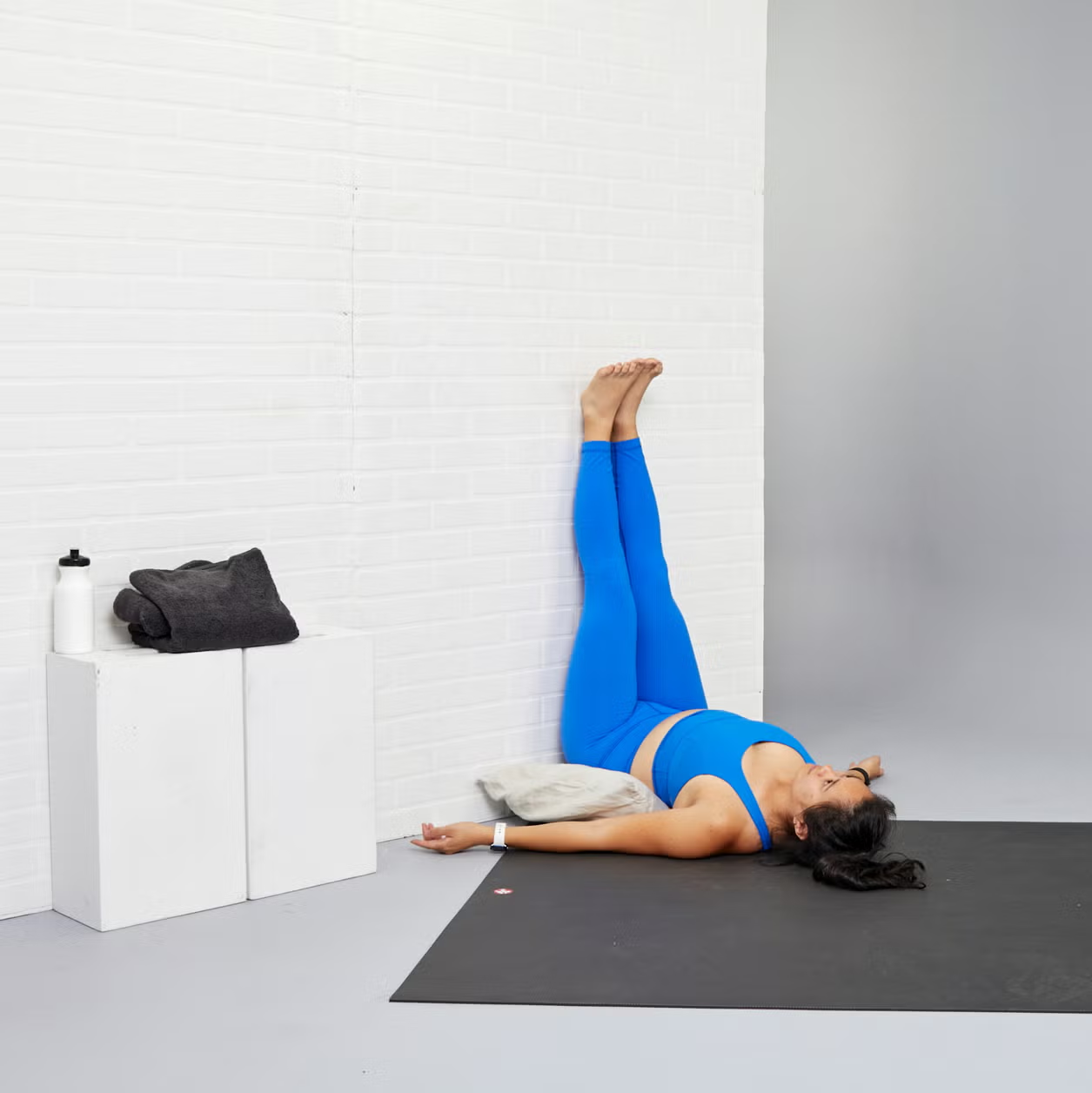
Your leg veins have to move blood upward against gravity. When you spend hours standing or sitting, blood can remain in the lower legs and increase pressure inside the veins. Raising your legs above the level of your heart can reduce that pressure and encourage blood to move back toward the upper body more efficiently. This is why leg elevation can provide temporary symptom relief after a long day.
What Happens to Venous Pressure?
When your legs are elevated, gravity works in your favor instead of against your veins. Blood that has collected in the lower legs has an easier path back toward the heart. This can reduce the pressure that contributes to swelling, heaviness, aching, and tightness. For people who spend much of the day on their feet, even a period of rest with the legs raised may make a noticeable difference.
🩸 Leg Elevation for Vein Disease: What Does It Tell You?
Feeling better after putting your legs up does not automatically mean you have a vein condition. It simply means that changing your leg position may be helping reduce pressure and swelling. However, if you regularly experience swelling, aching, heaviness, itching, visible enlarged veins, or discomfort that gets worse as the day goes on, the pattern may point to a circulation problem.
Chronic venous insufficiency is one condition that can cause these symptoms. When the valves inside the veins do not close properly, blood can flow backward and collect in the lower legs. Putting your legs up may provide temporary relief, but it does not fix the underlying valve problem.
⏰ Why Symptoms Often Return After You Get Up
You may feel much better after resting with your legs elevated, only to notice the heaviness or swelling return once you are back on your feet. That can happen because the underlying issue has not changed. Once you stand again, gravity begins pulling blood toward the lower legs. If the veins are not moving blood efficiently, pressure can build again. This pattern can be especially noticeable after long shifts, extended travel, or hours at a desk. If elevation consistently provides relief but symptoms return every day, it may be worth finding out why.
💧 Does Elevation Improve Blood Circulation?
Putting your legs up can help blood and fluid move out of the lower legs, but it should not replace regular movement. Walking activates the calf muscles, which help push blood back up through the veins. Taking short movement breaks, avoiding long periods in one position, and putting your legs up when you rest can all support better circulation.
For some patients, compression therapy may also help reduce swelling and discomfort. The right approach depends on what is causing your symptoms, so persistent problems should be discussed with a vein specialist.
🔍 When Relief From Elevation Is Not Enough
Temporary relief can be useful, but it does not necessarily mean the underlying problem has resolved. If you consistently need to elevate your legs because of swelling or discomfort, or if symptoms are becoming more frequent, consider getting evaluated. Persistent symptoms may include ankle swelling, aching, heaviness, visible veins, itching, skin changes, or discomfort that becomes worse after standing.
These signs do not automatically mean you have chronic venous insufficiency. Other conditions can produce similar symptoms, which is why proper evaluation matters.
🏥 How The Vein Place OC Evaluates Your Vein Health
The Vein Place OC looks beyond temporary symptom relief to determine what may be causing your discomfort. A vein evaluation may include a review of your symptoms and medical history, a physical examination, and duplex ultrasound imaging. The ultrasound helps assess blood flow and vein valve function and can identify abnormal backward flow that may be contributing to pressure and swelling.
Once the cause is clearer, the specialist can recommend an appropriate treatment plan. Depending on the findings, this may include lifestyle guidance, compression therapy, or minimally invasive vein treatment such as sclerotherapy or vein ablation. The goal is to address the reason your symptoms are happening rather than relying on temporary relief alone.
📍 When Should Recurring Symptoms Be Evaluated?
Occasional tired or swollen legs after a long day may improve with rest and elevation. But recurring symptoms deserve more attention, particularly when they interfere with work, sleep, exercise, or other daily activities. If your legs repeatedly feel better only after elevation, or if you also have swelling, aching, heaviness, visible veins, or skin changes, a vein evaluation can help determine what is happening beneath the surface.
If elevating your legs has become part of your daily routine just to keep discomfort under control, The Vein Place OC can help you find out why. Schedule a vein evaluation to assess your circulation and discuss the right treatment approach for your needs.
❓ Frequently Asked Questions
Why does elevating my legs reduce discomfort?
Elevation reduces the effect of gravity on the leg veins and can help blood and excess fluid move away from the lower legs. This may temporarily reduce pressure, swelling, and heaviness.
Does leg elevation improve circulation?
It can support the return of blood and fluid from the lower legs, especially after prolonged sitting or standing. However, regular movement and other measures may also be important for maintaining healthy circulation.
Is leg elevation a treatment for vein disease?
Elevation can help manage symptoms, but it does not correct damaged vein valves. If symptoms keep returning, a specialist can determine whether an underlying condition requires additional treatment.
When should recurring symptoms be evaluated?
Consider an evaluation if swelling, aching, heaviness, visible veins, or other discomfort keeps returning or becomes worse over time. A duplex ultrasound can help determine whether a vein problem is contributing to your symptoms.

Andy Sharifi
Position