
Why Early Varicose Treatment May Prevent the Need for Surgery Later
Vein problems rarely go from mild to serious overnight. They often start with small signs: heaviness after standing, swelling near the ankles, aching at the end of the day, or veins that look more raised than before. When these symptoms are treated early, care is often simpler, recovery may be easier, and patients may avoid more advanced problems later.
Early varicose vein treatment is not just about appearance. It is about catching vein disease before pressure builds, symptoms worsen, and treatment becomes more complex.
🦵 How Varicose Veins Progress Without Treatment
Enlarged leg veins often develop when valves inside the veins stop working properly. These valves are supposed to keep blood moving upward toward the heart. When they weaken, blood can flow backward and collect in the legs, creating pressure inside the veins.
At first, the changes may seem minor. A few visible veins may appear, or the legs may feel tired after long periods of sitting or standing. Over time, that pressure can lead to more swelling, aching, throbbing, itching, skin irritation, and larger bulging veins. This is why varicose vein progression should not be ignored, even when symptoms feel manageable in the beginning.
✅ Why Early Treatment Makes a Difference
Treating vein disease early gives patients more options. When the condition is caught before symptoms become advanced, the treatment plan may be less complicated and more focused on stopping the problem at the source.
Less Invasive Procedures
Early care may allow patients to benefit from minimally invasive vein treatment before the condition becomes severe. These procedures are usually designed to close or treat problem veins without traditional surgery or a hospital stay.
Depending on the patient’s diagnosis, options may include sclerotherapy, vein ablation, or other office-based treatments. The earlier the problem is evaluated, the easier it may be to choose a targeted approach.
Better Long-Term Outcomes
When damaged veins are treated before symptoms become more advanced, patients may have a better chance of reducing discomfort and protecting long-term vein health. Early treatment can help address the cause of swelling, heaviness, or visible vein changes instead of only managing symptoms after they become worse.
A timely plan may also help prevent nearby veins from taking on extra pressure. This can support better comfort, mobility, and daily function over time.
Lower Risk of Complications
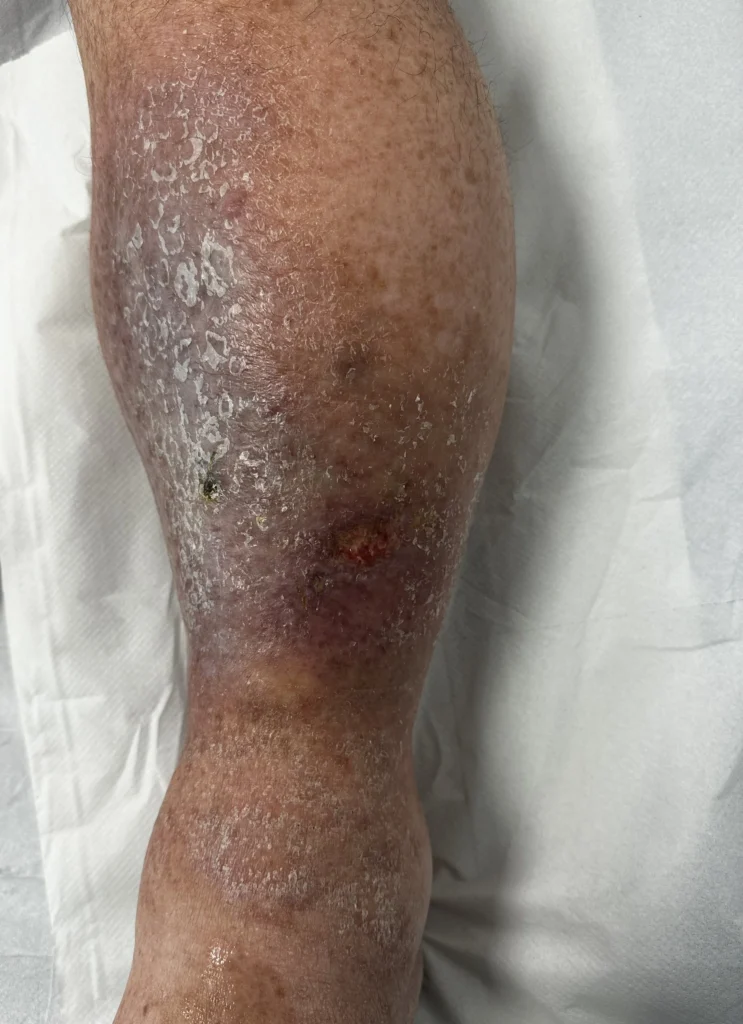
Delayed care can allow pressure to build in the lower legs. As the condition progresses, some patients may develop skin discoloration, inflammation, tenderness, bleeding from surface veins, or slow-healing wounds.
Early treatment may lower the chance of these problems by addressing poor vein function before it leads to more serious changes. It cannot guarantee that every future issue will be avoided, but it can reduce unnecessary delay and help patients stay ahead of worsening symptoms.
⚠️ Problems That Can Develop When Treatment Is Delayed
Ignoring vein symptoms can make treatment harder later. What begins as mild discomfort may turn into daily swelling, painful bulging veins, skin irritation, or changes around the ankles.
Some patients wait until symptoms interfere with work, walking, sleep, or daily routines. By that point, the condition may require a more detailed treatment plan or multiple steps. In more advanced cases, patients may face complications that take longer to heal and require closer medical care. This is why trying to prevent varicose vein surgery later often starts with acting earlier. A consultation can help determine whether the problem is still mild or already connected to deeper circulation issues.
🩺 Modern Solutions for Early Vein Disease
Modern vein care gives patients more options than older surgical approaches. Many treatments today are performed in an outpatient setting and are planned after a proper vein evaluation. A specialist may use ultrasound imaging to see how blood is moving through the leg veins and identify which veins are causing the problem. Based on those findings, treatment may include lifestyle guidance, compression therapy, sclerotherapy, vein ablation, or other minimally invasive procedures.
The goal is to treat the right vein at the right time. For many patients, early evaluation can mean a simpler path, less disruption to daily life, and better control over symptoms before they become more serious
❓ Frequently Asked Questions
Can Varicose Veins Get Worse Over Time?
Yes. Enlarged or weakened veins can worsen over time, especially when the underlying circulation problem is not addressed. Symptoms may progress from mild heaviness or visible veins to swelling, aching, skin changes, or more advanced concerns.
Is It Better to Treat Veins Early?
In many cases, yes. Early treatment may allow for simpler options, fewer symptoms, and better long-term management. A specialist can determine whether treatment is needed based on symptoms and ultrasound findings.
Can Early Treatment Prevent Surgery?
Early treatment may reduce the need for more invasive procedures later, but it depends on the patient’s condition. The goal is to treat vein disease before it becomes more advanced or harder to manage.
What Symptoms Should Prompt a Consultation?
A consultation may be needed if you notice leg heaviness, swelling, aching, throbbing, visible bulging veins, skin discoloration, itching, or symptoms that get worse after sitting or standing for long periods.

Andy Sharifi
Position