
It is understandable to expect one treatment to take care of every visible vein. But varicose veins can involve multiple vessels, different vein sizes, and underlying blood-flow problems, so treatment is not always completed in a single appointment.
The number of varicose vein treatment sessions a patient needs depends on the extent of the vein problem, the treatment being used, and how the body responds afterward. Having more than one appointment does not necessarily mean the initial treatment was unsuccessful. In many cases, sessions are intentionally planned in stages to provide appropriate and effective care.

🩺 Why Can’t All Varicose Veins Be Treated in One Session?
Varicose veins do not always occur in one isolated vessel. A patient may have several affected veins in different areas of the leg, with some larger vessels connected to underlying circulation problems and others closer to the skin. The size, location, anatomy, and condition of each vessel can influence how it should be treated. A larger vein affected by reflux may require an endovenous procedure, while smaller superficial veins may be better suited to an injectable treatment. Trying to address every vessel at once is not necessarily the safest or most appropriate approach. A provider may instead create a varicose vein treatment plan that addresses the most important source of the problem first and then evaluates what remains.

THE VEIN PLACE OC
Have a Question?
Concerned about varicose veins or spider veins? Talk to our team about your treatment options and take the next step toward healthier legs.
The Vein Place OC – Vein Care Specialists
Radiofrequency Ablation vs. Laser Treatment: 5 Key Differences
🔥 How Each Procedure Uses Heat
The main technical difference is the source of the heat. RFA uses radiofrequency energy, while EVLT uses laser energy delivered through a thin fiber. Both are forms of thermal vein ablation, meaning controlled heat is used to close the targeted vessel. Although the energy sources differ, the overall goal is similar: treat an abnormal vein so blood can be redirected through healthier vessels.
🩹 Treatment Comfort and Recovery
Patients often ask about comfort because they want to know what the procedure and the days afterward may feel like. Both treatments involve local anesthesia around the treatment area, and individual experiences can vary. Temporary tenderness, bruising, tightness, or inflammation may occur after either procedure. Discomfort and recovery time depend on the veins treated, individual healing, and the provider's instructions.
🎯 Effectiveness in Treating Venous Reflux
Both RFA and EVLT can be effective for appropriately selected patients with problematic veins and abnormal blood flow. The purpose is to close the affected vessel and allow circulation to use healthier pathways. Neither technology is automatically superior. Both can be appropriate depending on the vein being treated and the findings of the evaluation.
⚠️ Potential Side Effects and Risks
As with any medical procedure, both treatments have potential risks. Temporary bruising, tenderness, swelling, or inflammation can occur after treatment. Some patients may experience changes in skin sensation or other localized symptoms. Less common complications are possible as well, which is why treatment should be performed after an appropriate medical evaluation.
🩺 Treatment Suitability
Not every vein is suited to the same treatment. The size and location of the affected vessel, its anatomy, the pattern of abnormal blood flow, and surrounding structures can influence the decision. A duplex ultrasound helps evaluate circulation and identify the vessels responsible for the problem. Treatment selection is based on the individual's anatomy and clinical situation rather than simply choosing one technology over the other.
🤔 Which Procedure Is Better for Your Varicose Veins?
There is no single procedure that is best for every patient. The difference between radiofrequency and laser vein treatment is primarily related to the energy technology used to close the affected vein, while both approaches share the broader goal of treating abnormal superficial venous flow. A specialist will consider your symptoms, medical history, physical examination, ultrasound findings, vein anatomy, and the location and extent of the affected vessels. These factors can help determine whether RFA, EVLT, another procedure, or conservative management is more appropriate.
Both treatments fall under minimally invasive vein treatment, but minimally invasive does not mean that every patient is automatically a candidate. An appropriate evaluation is still necessary before selecting a procedure. This is particularly important for patients with chronic venous insufficiency, where the visible veins may be only one part of a broader circulation problem. Treating the correct source of abnormal blood flow is more important than choosing a procedure based on general comparisons alone.
PATIENT INFORMATION
Frequently Asked Questions
Neither treatment is universally better for every patient. Both can be appropriate for selected veins, and the choice depends on factors such as vein anatomy, ultrasound findings, symptoms, and individual medical considerations.
Recovery varies from person to person and depends on the procedure, the number of veins treated, and individual healing. Both are minimally invasive approaches, but your provider can give you more specific expectations based on your treatment plan.
Individual experiences differ, so it is not accurate to assume that one procedure will always be less painful. Both use local anesthesia and may cause temporary tenderness, bruising, or discomfort during the healing period.
Both procedures may be used to treat selected veins affected by abnormal blood flow associated with chronic venous insufficiency. Whether either procedure is appropriate depends on the findings of your medical evaluation and imaging.
Doctors consider your symptoms, medical history, physical examination, vein anatomy, and ultrasound findings. A duplex ultrasound can help identify abnormal blood flow and show which veins may be suitable for treatment.
 PATIENT SUPPORT
WE'RE HERE TO HELP
Have Questions About Your Vein Health?
Whether you're exploring treatment options or ready to schedule a consultation, our team is here to help you take the next step.
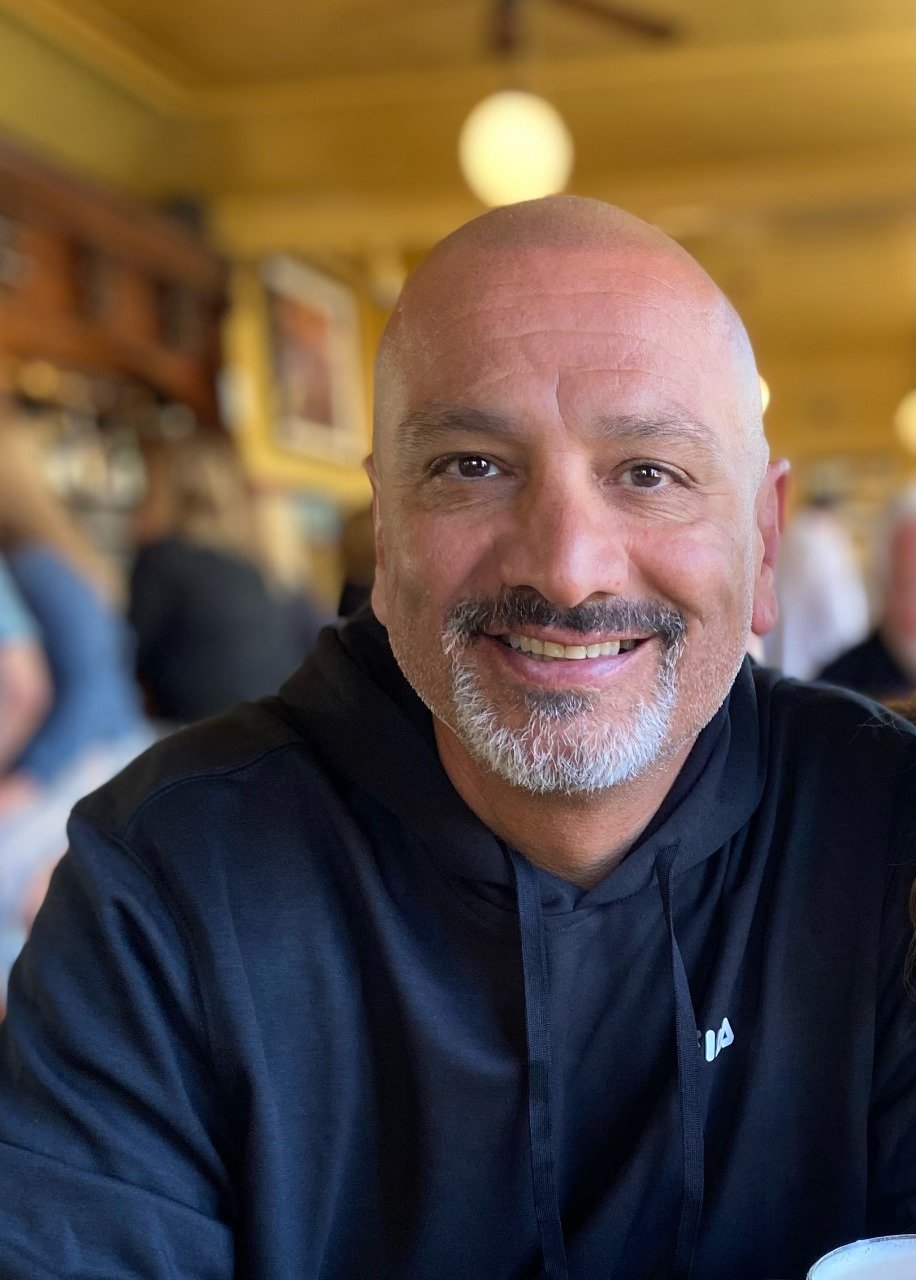
Andy Sharifi
Position