
You may expect leg pain to disappear once a problematic vein has been treated. But what if your leg still feels sore, tender, heavy, or uncomfortable afterward? Some discomfort can be a normal part of healing, while persistent or worsening pain may have another explanation. Treatment addresses specific veins and circulation problems, but recovery does not always happen immediately. Other veins, inflammation, nerve sensitivity, or an unrelated condition can also contribute to symptoms. Knowing what is expected and when to seek further evaluation can help you decide what to do next.
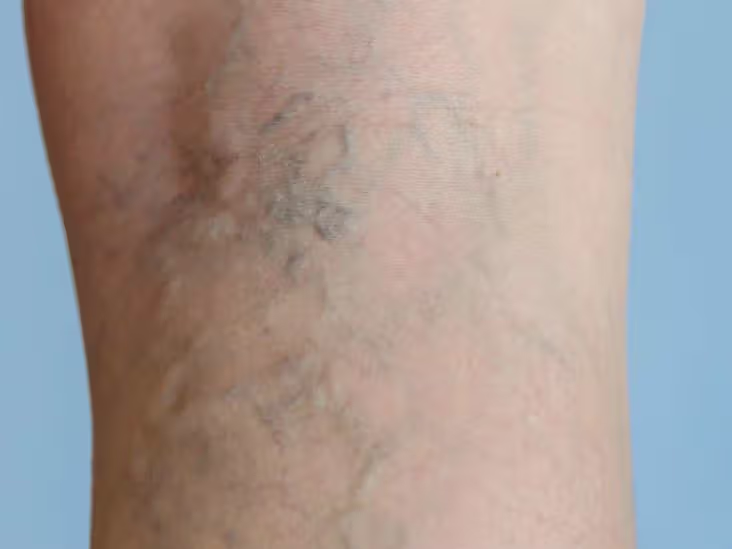
🩺Is Leg Pain Normal After Varicose Vein Treatment?
Some discomfort is common during the healing period. Depending on the procedure, you may notice tenderness, bruising, tightness, mild swelling, or soreness around the treated area. These symptoms generally improve as the tissues heal, although the timeline can vary from one person to another. The type of procedure also matters. Someone undergoing ablation may experience a different pattern of soreness than someone receiving sclerotherapy. Your provider can explain what symptoms are expected with your particular treatment and when they should begin improving. Having some post-procedure discomfort does not automatically mean that something went wrong. However, pain that becomes more intense, fails to improve, or appears alongside new symptoms deserves attention.

THE VEIN PLACE OC
Have a Question?
Concerned about varicose veins or spider veins? Talk to our team about your treatment options and take the next step toward healthier legs.
The Vein Place OC – Vein Care Specialists
6 Reasons Your Legs May Still Hurt After Vein Treatment
Normal Post-Procedure Healing
Treatment causes a controlled change in the targeted vein and surrounding tissues need time to recover. Temporary inflammation can result in tenderness, bruising, tightness, or aching. During varicose vein treatment recovery, these sensations may gradually become less noticeable. Your provider may recommend walking, activity modifications, compression, or other aftercare depending on the procedure performed.
Residual Venous Reflux
In some cases, abnormal blood flow may remain in another vein or in a portion of the venous system that was not treated during the initial procedure. This residual venous reflux can potentially contribute to continued heaviness, aching, or swelling. This does not necessarily mean the original treatment was unsuccessful. Vein disease can involve more than one vessel, and further assessment may be needed to determine whether another source is contributing to your symptoms.
Other Veins Still Need Treatment
Treating one problematic vein does not necessarily address every affected vessel. Smaller surface veins or other veins with abnormal blood flow may continue to produce symptoms. If discomfort persists after the initial procedure, your provider may review your symptoms and previous findings to determine whether another vein could be involved. In some cases, additional treatment may be considered, while in others, no further procedure is necessary.
Superficial Vein Inflammation
Inflammation in a vein close to the skin can cause localized tenderness, firmness, warmth, or discomfort. A condition known as superficial thrombophlebitis can occur when inflammation develops around a superficial vein, sometimes with a small clot. This type of discomfort can feel different from the aching associated with underlying circulation problems. Your provider can examine the area and determine whether the symptoms are consistent with normal healing or require further assessment.
Nerve Irritation or Tissue Sensitivity
Procedures performed near small nerves can sometimes result in temporary irritation or increased sensitivity. You may notice tingling, burning, numbness, or a sharp sensation rather than the dull ache commonly associated with vein symptoms. Most treatment-related nerve sensitivity improves over time, but persistent or bothersome symptoms should be discussed with your provider. The location and nature of the pain can provide useful clues about its cause.
Pain From Non-Venous Conditions
Not every instance of leg pain after vein ablation is caused by the veins. Muscular strain, arthritis, joint problems, spinal conditions, or peripheral nerve disorders can all cause pain in the legs. This is particularly important when the discomfort does not match the location of the treated vein or is associated with back pain, joint symptoms, weakness, numbness, or changes in movement. A broader evaluation may be appropriate rather than assuming the vein treatment is responsible.
🩺 How Can You Tell Whether Pain Is Part of Recovery or a Sign of a Problem?
The pattern of your symptoms matters. Mild tenderness, bruising, tightness, or localized soreness that gradually improves is generally more consistent with normal healing. The expected timeline varies depending on the procedure and your individual recovery.
On the other hand, pain that is getting worse instead of better, continues without improvement, or develops alongside significant swelling, redness, warmth, drainage, or other new symptoms should be assessed by a healthcare professional.
It is also important not to assume that persistent discomfort means vein treatment complications. A follow-up examination can help determine whether the symptoms are related to healing, another vein, or an unrelated condition.
🔍 What Tests Can Identify the Cause of Persistent Leg Pain?
A post-treatment assessment usually begins with a review of your symptoms and medical history, followed by an examination of the affected leg. Your provider may ask:
-
When the pain started
-
Where you feel it
-
Whether it changes with activity
-
Whether you have noticed swelling, skin changes, or other symptoms
When a vein-related cause needs to be investigated, a duplex ultrasound may be useful. This noninvasive test can evaluate blood flow and help identify remaining circulation problems, treated veins that have not responded as expected, or other abnormalities.
An ultrasound is not automatically necessary for everyone who experiences discomfort after treatment. The decision depends on your symptoms, the procedure you had, and your provider’s clinical assessment.
🩸 What Happens If Venous Reflux Remains After Treatment?
If testing shows that abnormal blood flow remains, your specialist will first determine where it is coming from and whether it is actually responsible for your symptoms.
The next step depends on:
-
The location and severity of the problem
-
Your current symptoms
-
Your previous vein treatment
Some patients may benefit from additional treatment, while others may need observation or a different approach. The goal is to address the underlying problem when appropriate rather than automatically repeating the same procedure.
For patients concerned about persistent pain after vein treatment, a proper evaluation can provide a clearer answer about whether continued symptoms are part of healing or point to another issue.
Frequently Asked Questions
Mild soreness, tenderness, or tightness can occur during endovenous ablation recovery and generally improves as healing progresses. The exact duration varies depending on the individual and the procedure, so worsening or persistent symptoms should be discussed with your provider.
Yes, some localized tenderness, bruising, or irritation can occur after sclerotherapy. Pain after sclerotherapy that becomes severe, worsens, or is accompanied by concerning symptoms should be evaluated rather than assumed to be part of normal healing.
Yes. Successful treatment does not necessarily mean every source of leg discomfort disappears immediately. Healing, another affected vein, nerve sensitivity, or a non-venous condition may contribute to ongoing symptoms.
Not everyone needs repeat imaging. A duplex ultrasound may be recommended when symptoms persist, new symptoms develop, or your provider needs more information about blood flow and the treated veins.
Seek medical attention for severe, worsening, or sudden pain, especially when it occurs with significant swelling, redness, warmth, or other concerning changes. Chest pain or shortness of breath requires emergency medical attention.
 PATIENT SUPPORT
WE'RE HERE TO HELP
Have Questions About Your Vein Health?
Whether you're exploring treatment options or ready to schedule a consultation, our team is here to help you take the next step.
Andy Sharifi
Position