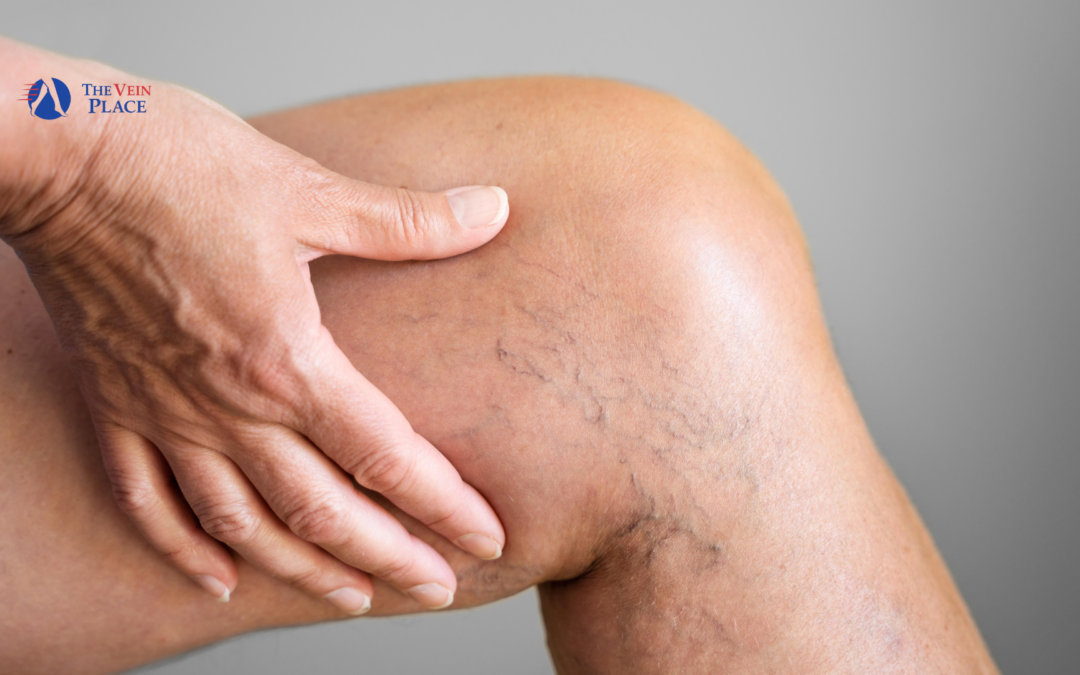
You may notice veins becoming more prominent on your legs as the years go by. For some people, they are mainly a cosmetic change. For others, increased visibility comes with aching, heaviness, swelling, or tired legs. While aging can make vein problems more noticeable, getting older does not automatically mean you will develop varicose veins. Several factors can influence how veins change over time, including the condition of the vein valves, genetics, hormonal changes, and years of sitting or standing. Knowing why these changes happen can help you recognize when visible veins are simply a cosmetic concern and when they may point to an underlying circulation problem.
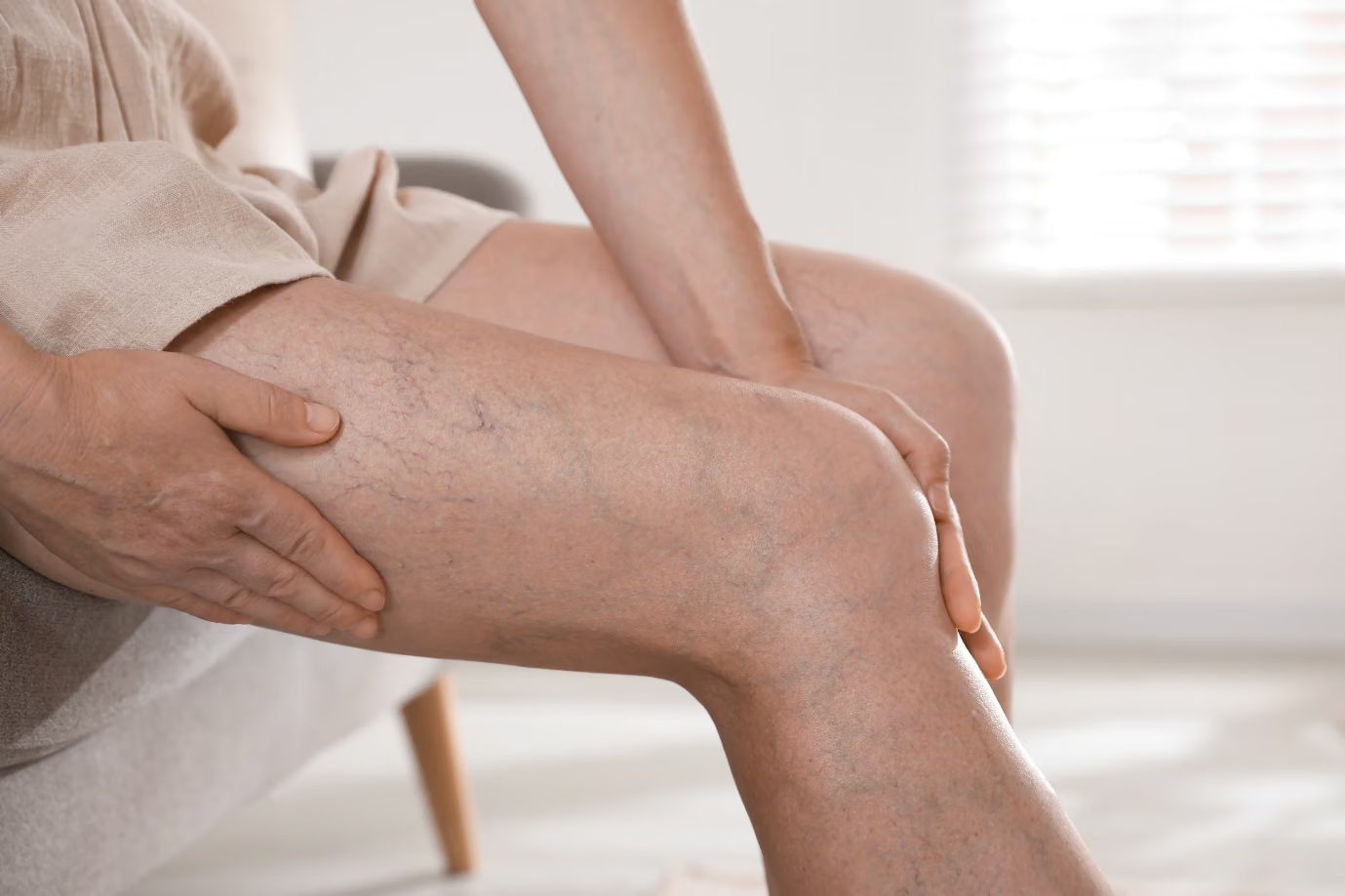
🩺Why Do Varicose Veins Become More Visible With Age?
As you age, the structures that help blood travel from your legs back toward your heart can gradually change. Vein walls may lose some of their flexibility, while the valves inside the veins may become less effective at preventing blood from flowing backward. When these valves do not close properly, blood can collect in the leg veins instead of moving efficiently upward. This can increase pressure within the vessels and contribute to enlarged, twisted veins that become easier to see beneath the skin. However, aging is only one piece of the picture. A person’s genetics, hormonal history, activity level, body weight, and other factors can influence whether vein changes develop and how noticeable they become.

THE VEIN PLACE OC
Have a Question?
Concerned about varicose veins or spider veins? Talk to our team about your treatment options and take the next step toward healthier legs.
The Vein Place OC – Vein Care Specialists
👀5 Factors That Can Make Varicose Veins Worse Over Time
Weakened Vein Valves
Damaged or less effective vein valves can allow blood to flow backward, a process called venous reflux. This may increase pressure inside the veins, cause blood to pool in the legs, and contribute to enlarged, more prominent varicose veins over time.
Changes in Vein Wall Elasticity
As people age, vein walls may become less elastic, affecting how efficiently they accommodate and move blood. When combined with valve dysfunction or other risk factors, these structural changes may contribute to more noticeable veins and circulation-related symptoms.
Genetics and Family History
Having close family members with varicose veins may indicate an inherited tendency toward vein valve problems or other contributing factors. Genetics can help explain why people of the same age may experience very different changes in their vein health.
Hormonal Changes
Hormonal shifts during pregnancy, menopause, and other stages of life may influence blood vessel walls and circulation. These changes can interact with age, genetics, and other risk factors, potentially contributing to the development or progression of varicose veins.
Years of Standing, Sitting, and Reduced Activity
Prolonged sitting or standing can make blood return from the legs less efficient, especially when the calf muscles remain inactive. Regular walking and appropriate physical activity help support circulation and may reduce symptoms associated with prolonged inactivity.
🩺 Are Varicose Veins a Normal Part of Getting Older?
Varicose veins become more common with age, but they should not automatically be dismissed as an unavoidable part of getting older. Some visible veins are primarily cosmetic and may not cause any health problems. Others can be associated with venous insufficiency, where blood does not return efficiently from the legs.
Pay attention to changes beyond appearance:
-
🦵 Aching, heaviness, or swelling in the legs.
-
🔍 Itching or skin discoloration around affected veins.
-
⚠️ Discomfort that becomes more noticeable after standing.
-
📈 Veins that suddenly become more prominent or continue to change over time.
Chronic venous disease can develop gradually, so symptoms may become noticeable before a person realizes that there is an underlying circulation issue.
🩻 When Should You Consider Varicose Vein Treatment?
Not everyone with visible veins needs treatment. If the veins are not causing symptoms and you are concerned primarily about their appearance, treatment may be a personal choice rather than a medical necessity.
An evaluation becomes more important when you develop:
-
🦵 Persistent leg pain, swelling, or heaviness.
-
⚠️ Itching or noticeable skin changes.
-
🚶 Symptoms that interfere with everyday activities.
A vein specialist can examine your legs and determine whether the visible veins are associated with an underlying circulation problem.
🔬 When appropriate, a duplex ultrasound can provide additional information about blood flow and help identify problems that may not be visible from the outside. This can help your provider determine whether treatment is appropriate and which approach may best fit your condition.
🎯 The goal is not simply to treat veins because they have become more noticeable. It is to determine whether they are affecting your circulation and whether addressing the underlying problem could improve your symptoms.
PATIENT INFORMATION
Frequently Asked Questions
No. Aging can increase the likelihood of vein changes, but varicose veins do not inevitably become worse. Genetics, activity, hormonal factors, and the condition of the veins all influence how they develop over time.
Yes. Varicose veins can develop in younger adults, particularly when there is a strong family history or other contributing factors. Age increases risk but is not a requirement for developing them.
Aging can contribute to changes in vein walls and valves that make new varicose veins more likely to develop. However, new veins can also be influenced by genetics, hormonal changes, prolonged standing or sitting, and other individual factors.
Regular movement, including walking, activates the calf muscles and can support the return of blood from the legs. Exercise does not eliminate existing varicose veins, but maintaining appropriate physical activity can be beneficial for overall circulation.
Consider an evaluation if visible veins are accompanied by persistent pain, swelling, heaviness, itching, skin changes, or other symptoms. A professional assessment can help determine whether treatment is medically appropriate or whether monitoring and conservative care are sufficient.
 PATIENT SUPPORT
WE'RE HERE TO HELP
Have Questions About Your Vein Health?
Whether you're exploring treatment options or ready to schedule a consultation, our team is here to help you take the next step.

Andy Sharifi
Position