
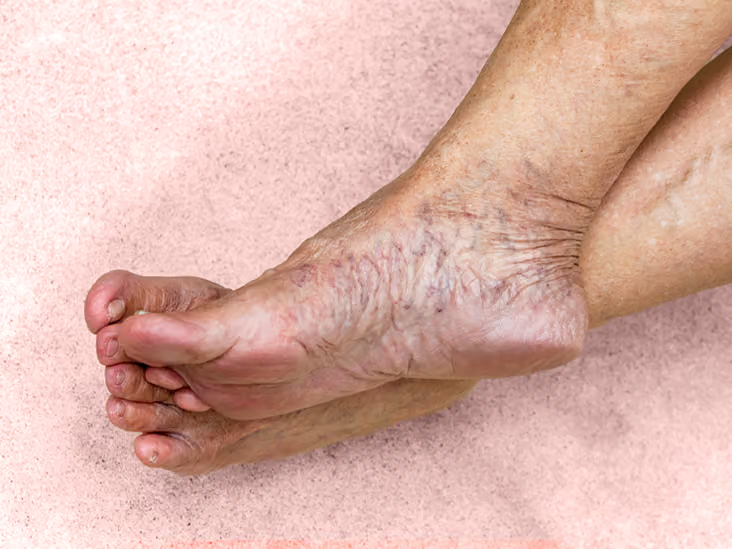
A little itching around the ankle, darker skin, persistent irritation, or a small wound that refuses to heal may seem minor at first. But changes like these can sometimes signal that a vein problem is affecting the skin and tissues of the lower leg. They may become more concerning when they occur alongside ongoing swelling or heaviness. When blood does not return efficiently from the legs, pressure can build inside the veins over time. This can affect the surrounding tissues and make the skin more vulnerable to injury. In advanced cases, an open sore called a venous leg ulcer can develop. Recognizing these changes early can help patients seek appropriate evaluation before the problem progresses.
🩺 Why Can’t All Varicose Veins Be Treated in One Session?
Varicose veins do not always occur in one isolated vessel. A patient may have several affected veins in different areas of the leg, with some larger vessels connected to underlying circulation problems and others closer to the skin. The size, location, anatomy, and condition of each vessel can influence how it should be treated. A larger vein affected by reflux may require an endovenous procedure, while smaller superficial veins may be better suited to an injectable treatment. Trying to address every vessel at once is not necessarily the safest or most appropriate approach. A provider may instead create a varicose vein treatment plan that addresses the most important source of the problem first and then evaluates what remains.

THE VEIN PLACE OC
Have a Question?
Concerned about varicose veins or spider veins? Talk to our team about your treatment options and take the next step toward healthier legs.
The Vein Place OC – Vein Care Specialists
👀5 Warning Signs of Venous Disease That May Develop Into Leg Ulcers
Persistent Leg Swelling
Repeated swelling around the ankles or lower legs can occur when blood and fluid remain in the tissues for extended periods. Swelling that returns frequently or worsens after prolonged standing or sitting may indicate an underlying circulation problem and deserves professional assessment.
Darkening or Discoloration Around the Ankles
Brownish, reddish, or darker skin around the ankles and lower legs may develop when prolonged vein pressure affects surrounding tissues. Discoloration does not mean an ulcer will definitely develop, but it can be an important warning sign, especially when accompanied by swelling or itching.
Itching and Dry Skin
Persistent dryness, itching, irritation, or a rash around the lower legs can occur with chronic vein problems. Repeated scratching may create small breaks in already fragile skin. These symptoms should be considered alongside other signs rather than treated as proof of venous disease.
Thickened or Hardened Skin
Long-term inflammation and fluid buildup can affect the skin and underlying tissues. The skin may become thicker, firmer, or less flexible, particularly around the lower legs and ankles. These changes may indicate prolonged pressure and inflammation associated with progressing venous disease.
Slow-Healing Wounds Near the Ankles
Wounds that take unusually long to heal deserve medical attention. Venous ulcers commonly develop near the inner ankle or lower leg and may appear as shallow, irregular sores surrounded by discolored or irritated skin. Addressing the underlying circulation problem is an important part of managing venous ulcers.
🩺 Can Treating Varicose Veins Help Prevent Venous Ulcers?
In appropriate patients, addressing the underlying vein problem may help reduce the pressure that contributes to skin damage and ulcer formation.
Treatment of abnormal blood flow can be particularly important for people who already have:
-
🦵 Significant skin changes around the lower legs or ankles.
-
💧 Persistent leg swelling.
-
⚠️ A history of venous ulcers.
The goal of preventing venous ulcers is not simply to remove visible veins. It involves identifying and managing the circulation problem that is placing stress on the skin. When abnormal blood flow contributes to elevated pressure, treating the affected veins may help improve circulation and reduce the risk of ulcer development or recurrence in selected patients.
Important: Varicose vein treatment does not guarantee that a venous ulcer will never occur. Other factors can influence ulcer risk, including:
-
🚶 Mobility and activity levels.
-
🩹 Previous wounds and skin condition.
-
🩺 Other medical conditions.
-
📋 Severity of the underlying vein disease.
If an ulcer already exists, prevention and treatment are different goals. An active wound requires appropriate wound management while the underlying cause is investigated and addressed when necessary.
🔍 Which Treatment Options May Help Manage Venous Disease?
The appropriate treatment for venous insufficiency depends on the patient’s symptoms, vein anatomy, overall health, and severity of the condition.
Treatment options may include:
-
🧦 Compression therapy: May help manage swelling and support circulation in appropriate patients.
-
🚶 Regular movement: Physical activity can support blood flow from the legs.
-
🦵 Leg elevation: May help manage fluid buildup and swelling.
-
🧴 Skin care: Helps protect the skin, particularly when chronic irritation or changes are present.
-
🩺 Endovenous ablation: A minimally invasive procedure used to close certain malfunctioning veins so blood can redirect through healthier vessels.
Whether a procedure such as endovenous ablation is suitable depends on the findings of an individual evaluation.
🩹 When an ulcer is already present, wound care remains an essential part of treatment. Depending on the wound, care may involve:
-
Cleaning and appropriate dressings.
-
Compression when medically appropriate.
-
Monitoring for signs of infection.
-
Regular follow-up to assess healing.
Addressing an underlying vein problem may also be added to the treatment plan when it contributes to delayed healing or increases the risk of recurrence.
🎯 The important distinction is that treating the vein does not replace care for an existing wound. In many cases, successful management requires attention to both the ulcer and the circulation problem behind it.
PATIENT INFORMATION
Frequently Asked Questions
Varicose veins can occur alongside the vein problems that contribute to open sores, but visible veins alone are not necessarily responsible for the wound. Long-standing circulation problems can increase pressure in the legs, affect the skin, and make wounds harder to heal.
Some ulcers can heal with appropriate wound care and compression, depending on the individual situation. However, when an underlying vein disorder contributes to poor healing, addressing that problem may be an important part of improving healing and reducing the risk of recurrence.
Treating significant abnormal blood flow may reduce pressure within the affected veins and can be an important part of reducing recurrence in appropriate patients. It does not remove every risk factor, so ongoing skin care, compression when recommended, and follow-up may still be necessary.
Early warning signs can include persistent swelling, darker skin around the ankles, itching, dryness, thickening, or a small wound that does not heal normally. These changes should be evaluated if they persist or become worse.
A wound that is not healing as expected should be assessed by a healthcare professional, especially if it becomes increasingly painful, red, swollen, warm, or begins producing drainage. Early evaluation can help identify whether poor circulation or another underlying condition is affecting healing.
 PATIENT SUPPORT
WE'RE HERE TO HELP
Have Questions About Your Vein Health?
Whether you're exploring treatment options or ready to schedule a consultation, our team is here to help you take the next step.
Andy Sharifi
Position