
Not every varicose vein needs medical treatment. Some remain mainly a cosmetic concern and may not cause discomfort or affect daily activities. Others can become associated with ongoing pain, swelling, skin changes, or wounds, indicating that the underlying vein problem may need closer attention. The key question is not simply how large or visible the veins look. Symptoms, progression, examination findings, and the condition of the veins beneath the skin all help determine whether conservative care is enough or whether advanced treatment for varicose veins should be considered.
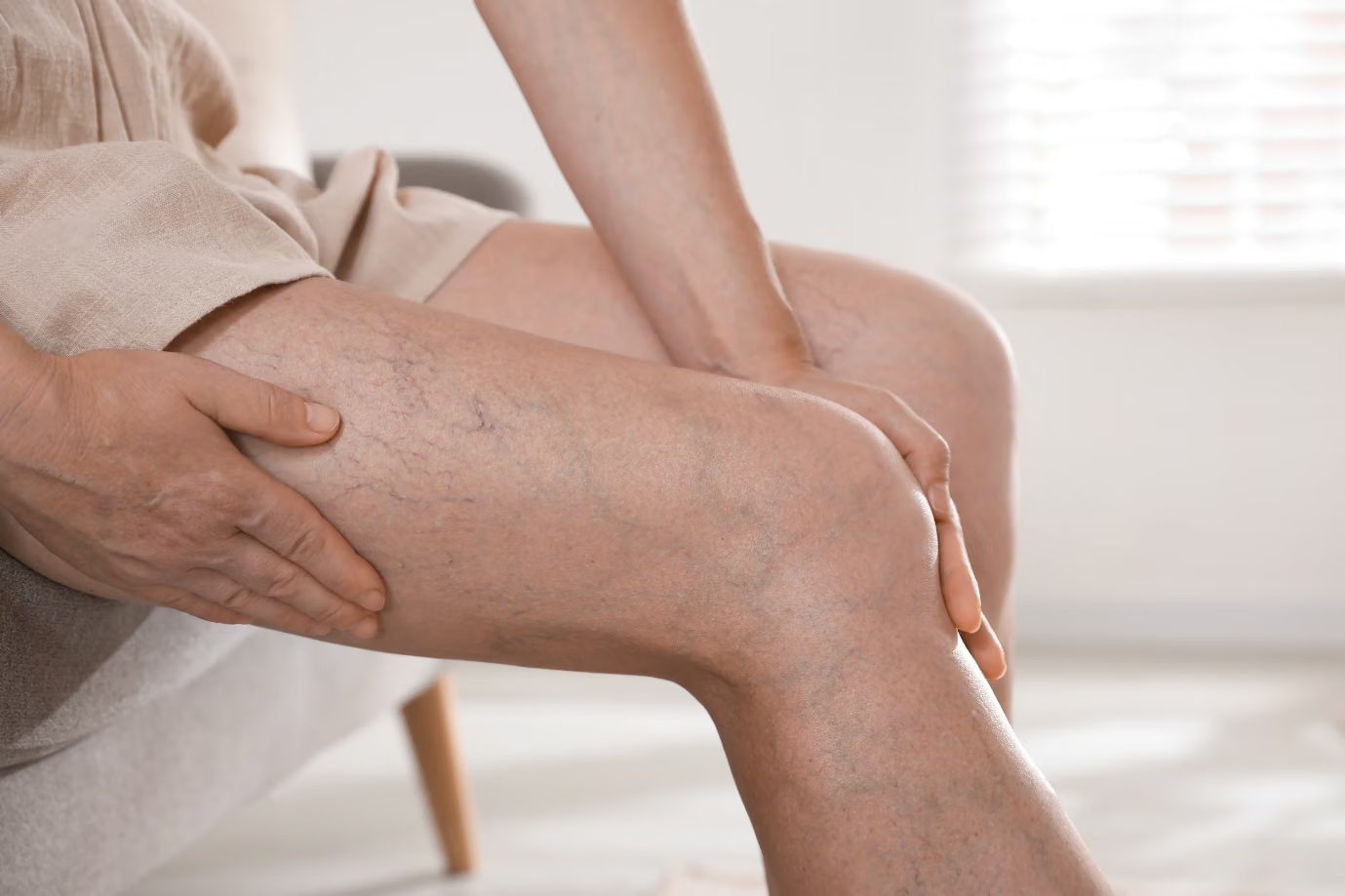
What Are the Signs That Varicose Veins Need Advanced Treatment?
Persistent or worsening symptoms can indicate that varicose veins are more than a cosmetic issue. Ongoing leg pain, heaviness, swelling, itching, skin discoloration, inflammation, or wounds that heal slowly may suggest an underlying circulation problem. These symptoms can occur when the valves inside the veins do not function properly, allowing blood to move backward and increasing pressure in the affected vessels. However, having visible varicose veins does not automatically mean that advanced treatment is necessary. A professional assessment is important to determine whether the symptoms are actually related to venous disease and how significant the problem may be.

THE VEIN PLACE OC
Have a Question?
Concerned about varicose veins or spider veins? Talk to our team about your treatment options and take the next step toward healthier legs.
The Vein Place OC – Vein Care Specialists
🧭5 Situations When Conservative Care May Not Be Enough
Persistent Leg Pain and Heaviness
Leg pain or heaviness that continues despite reasonable lifestyle measures or interferes with daily activities deserves further evaluation. When symptoms occur alongside visible veins, swelling, or other circulation-related changes, a specialist may investigate whether abnormal blood flow is contributing to the discomfort.
Chronic Leg Swelling
Repeated swelling around the ankles or lower legs may be associated with problems returning blood to the heart. With chronic venous insufficiency, weakened valves can allow blood to collect in the legs and increase vein pressure. Persistent or worsening swelling may warrant a more detailed evaluation.
Skin Changes Around the Ankles
Darkening, discoloration, itching, dryness, thickening, or changes in skin texture may occur when increased vein pressure and inflammation persist over time. These changes can indicate more than a cosmetic concern and may warrant evaluation for underlying venous hypertension or another circulation problem.
Recurrent Vein Inflammation or Bleeding
Some varicose veins can become painful, tender, or inflamed, and may bleed after minor trauma. Repeated episodes should be medically assessed rather than treated as a cosmetic inconvenience. A provider can determine whether the affected vein needs treatment or another issue requires attention.
Venous Ulcers or Slow-Healing Wounds
An open wound around the ankle or lower leg that does not heal normally can indicate more advanced venous disease. Long-standing circulation problems may affect the skin and surrounding tissue, making healing difficult. Treatment may require both appropriate wound care and assessment of the underlying vein problem.
🔬 What Advanced Treatment Options Are Available for Varicose Veins?
The advanced vein treatment options available today are often minimally invasive rather than traditional open surgery. The appropriate approach depends on which veins are affected, the severity of the condition, symptoms, and diagnostic findings.
Common treatment options include:
-
🔥 Endovenous Ablation: Uses heat delivered through a small catheter to close a malfunctioning vein.
-
📡 Radiofrequency Ablation (RFA): Uses radiofrequency energy to heat and close the targeted vein, allowing blood to reroute through healthier vessels.
-
💡 Laser-Based Treatment: Uses laser energy to close an affected vein.
-
💉 Sclerotherapy: Involves injecting medication into a targeted vessel, causing it to close over time. It may be suitable for certain smaller veins and can be used alone or as part of a broader treatment plan.
These procedures are not interchangeable for every patient. The choice should be based on the anatomy and function of the affected veins rather than simply how visible they are.
🩺 How Do Specialists Determine Which Treatment You Need?
Determining the appropriate treatment starts with your symptoms and medical history. A physical examination can help identify:
-
🦵 Visible vein patterns and swelling.
-
🔍 Skin changes or tenderness.
-
⚠️ Other signs that may point toward venous disease.
🖥️ Duplex Ultrasound
A duplex ultrasound may be used when further assessment is appropriate. This noninvasive test can show how blood is moving through the veins and help identify venous reflux, obstruction, or other abnormalities.
The findings help a specialist determine whether symptoms are related to the veins, which vessels are involved, and whether treatment is appropriate.
For example:
-
A person with small, symptom-free surface veins may not need the same approach as someone with significant venous reflux.
-
Persistent swelling or skin changes may require a more detailed evaluation.
-
Treatment decisions should account for the patient’s individual vein anatomy and diagnostic findings.
🎯 The goal is not to treat every visible vein, but to address clinically significant problems when the potential benefits of treatment outweigh the risks.
PATIENT INFORMATION
Frequently Asked Questions
Many patients can be treated with minimally invasive procedures rather than traditional surgical vein removal. Options may include endovenous ablation or sclerotherapy, depending on the veins involved and the findings of the evaluation.
Radiofrequency ablation may be considered when testing shows an affected vein with abnormal blood flow that is suitable for this type of treatment. A specialist can determine whether it is appropriate based on the vein's anatomy, symptoms, and ultrasound findings.
No. Some varicose veins are primarily cosmetic and may not require medical intervention. Treatment decisions should consider symptoms, progression, examination findings, and whether an underlying venous problem is affecting your health or quality of life.
Compression stockings can help manage symptoms such as swelling and discomfort for some patients, but they do not correct every underlying vein problem. Whether compression is sufficient depends on the cause and severity of the condition.
Increasing pain, heaviness, swelling, itching, skin discoloration, inflammation, bleeding, or slow-healing wounds can indicate progression. These changes do not automatically mean you need a procedure, but they are reasons to seek professional evaluation.
 PATIENT SUPPORT
WE'RE HERE TO HELP
Have Questions About Your Vein Health?
Whether you're exploring treatment options or ready to schedule a consultation, our team is here to help you take the next step.

Andy Sharifi
Position