
Seeing varicose veins does not automatically mean you need treatment right away. Some people have visible veins for years without significant symptoms, while others gradually develop aching, swelling, skin changes, or wounds. So, how long can you delay varicose vein treatment? There is no universal deadline. The answer depends on whether the veins are primarily cosmetic or whether they are signs of an underlying circulation problem. Knowing what to watch for can help you recognize when monitoring is reasonable and when a professional evaluation is more appropriate.
Is It Safe to Delay Varicose Vein Treatment?
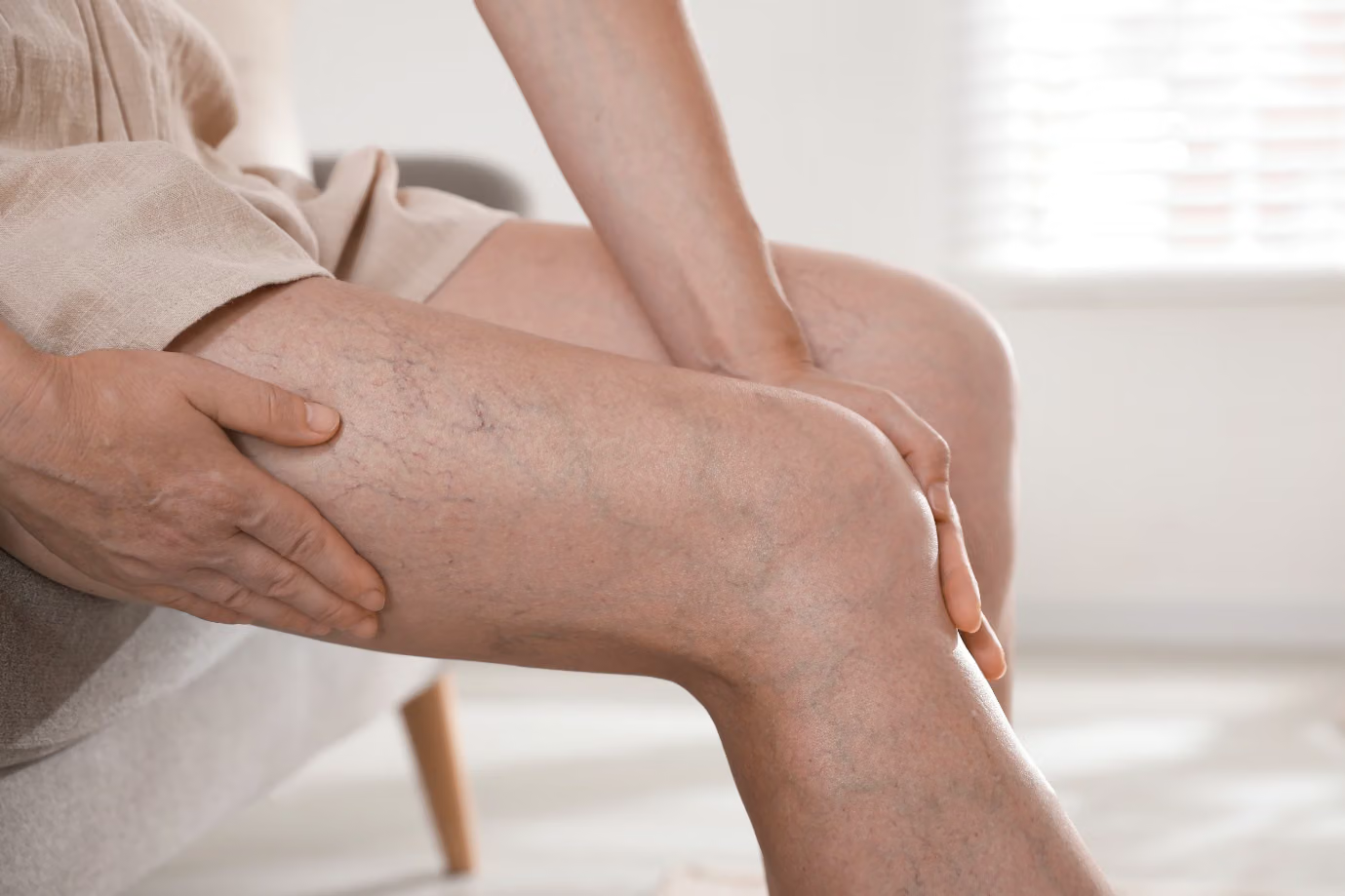
For some people, yes. Varicose veins that are mainly a cosmetic concern and are not causing discomfort, swelling, skin changes, or other problems may not require immediate treatment. A provider may recommend observation, lifestyle measures, or compression depending on the individual’s situation. The situation can be different when symptoms persist or gradually worsen. Problems with the valves inside the veins can allow blood to move backward, a condition known as venous reflux. This can increase pressure within the lower legs and contribute to chronic venous insufficiency over time.
The risks of untreated varicose veins therefore depend on what is happening beneath the skin. Not everyone with visible veins will develop complications, but symptomatic disease may become more difficult to manage if changes are ignored for an extended period. There is also no fixed point at which every person needs treatment. The decision about when to treat varicose veins should take into account symptoms, examination findings, the condition of the affected veins, and whether the problem appears to be progressing.

THE VEIN PLACE OC
Have a Question?
Concerned about varicose veins or spider veins? Talk to our team about your treatment options and take the next step toward healthier legs.
The Vein Place OC – Vein Care Specialists
5 Possible Consequences of Leaving Varicose Veins Untreated
Increasing Leg Pain and Heaviness
Varicose veins may initially cause occasional aching, tiredness, or heaviness after prolonged standing. For some people, symptoms can become more frequent or interfere with daily activities. Persistent discomfort that no longer improves with rest or simple measures deserves evaluation to determine whether an underlying vein problem is contributing.
Chronic Leg Swelling
Repeated swelling around the ankles or lower legs may occur when increased vein pressure contributes to fluid moving into nearby tissues. Persistent or progressively worsening swelling should be assessed rather than automatically attributed to age, standing, or daily activity, since other medical conditions can also cause it.
Skin Discoloration and Tissue Changes
Long-standing vein problems can cause brownish, reddish, or darker patches around the ankles and lower legs. Itching, dryness, thickening, and changes in skin texture may also develop. These changes do not guarantee that an ulcer will form, but they can indicate that the underlying condition needs medical attention.
Superficial Vein Inflammation or Bleeding
Varicose veins can sometimes become tender, inflamed, or painful. Enlarged superficial veins may also be more vulnerable to bleeding after minor trauma. Repeated inflammation or unexpected bleeding should be medically evaluated to determine the cause and whether treatment is necessary.
Venous Leg Ulcers
Venous ulcers are an advanced complication associated with long-standing vein disease. These wounds commonly develop around the ankle or lower leg and may heal slowly. Persistent vein pressure, swelling, and inflammation can make normal healing more difficult. A wound that does not heal normally should be evaluated promptly.
⚠️ Which Symptoms Mean You Should Not Wait?
Persistent or worsening symptoms are a reason to seek professional advice rather than continuing to monitor the veins without evaluation.
Pay attention to warning signs such as:
-
🦵 Increasing leg pain or heaviness.
-
💧 Swelling that keeps returning.
-
🟤 New skin changes or discoloration.
-
🔴 Vein inflammation or unexpected bleeding.
-
🩹 A wound that is taking longer than expected to heal.
The complications of varicose veins are not the same for everyone. Some people may remain stable for years, while others develop increasingly significant symptoms. Getting assessed does not necessarily mean that you will need a procedure. It can simply clarify whether the condition is stable, whether conservative care is appropriate, or whether further treatment should be considered.
🚨 When one leg suddenly becomes swollen, painful, warm, red, or tender, prompt medical assessment is important. These symptoms can have causes that require urgent attention, including a possible blood clot.
🩺 How Can a Specialist Determine Whether Treatment Is Necessary?
An evaluation usually begins with a review of your medical history and symptoms, followed by a physical examination.
Your provider may ask about:
-
📋 When discomfort occurs and how frequently it develops.
-
🦵 Whether swelling changes throughout the day.
-
⬆️ Whether symptoms improve with leg elevation.
-
⚠️ Any previous inflammation, bleeding, or wounds.
🖥️ Duplex Ultrasound Examination
When additional information is needed, a duplex ultrasound can assess blood flow through the veins. This noninvasive test can help identify:
-
🔄 Abnormal backward blood flow (venous reflux).
-
🚫 Vein obstruction.
-
🔍 Other changes that may contribute to symptoms.
The results can help a specialist determine which veins are involved and whether treatment should be considered.
🎯 The purpose of testing is not simply to confirm that varicose veins are present. It helps distinguish visible veins that are mainly cosmetic from a clinically significant circulation problem. Treatment should be based on the patient’s symptoms and medical findings rather than appearance alone.
PATIENT INFORMATION
Frequently Asked Questions
Many varicose veins remain stable and do not cause serious problems. However, some are associated with ongoing vein disease that can contribute to swelling, skin changes, inflammation, bleeding, or ulcers. Worsening symptoms should therefore be evaluated rather than assumed to be harmless.
There is no predictable timeline. Some people experience little change for many years, while others develop symptoms gradually. Changes in pain, swelling, skin condition, or wound healing are more useful indicators of progression than a specific number of months or years.
Varicose veins can be associated with inflammation and clotting in superficial veins, but having varicose veins does not mean a person will develop a serious blood clot. Sudden one-sided swelling, pain, warmth, or redness requires prompt medical assessment because these symptoms can have several causes.
No. Some visible veins remain primarily cosmetic and never require medical treatment. Intervention is generally considered when symptoms, complications, or an underlying vein disorder make treatment appropriate.
Compression stockings may help manage swelling and other symptoms for some patients, but they do not correct every underlying vein problem or guarantee that complications will be prevented. A healthcare professional can determine whether compression is appropriate for your condition.
 PATIENT SUPPORT
WE'RE HERE TO HELP
Have Questions About Your Vein Health?
Whether you're exploring treatment options or ready to schedule a consultation, our team is here to help you take the next step.

Andy Sharifi
Position