
Swollen ankles or lower legs at the end of the day can be frustrating, especially when there are no bulging veins to explain it. You may notice that your shoes feel tighter, your ankles look puffy, or the swelling improves after resting overnight. While visible varicose veins can be associated with these symptoms, they are not always present. Circulation problems can develop in veins beneath the skin before prominent surface veins appear. In some people, problems with the way blood returns from the legs can contribute to swelling even when the skin looks relatively normal. However, leg swelling can also have lymphatic, medication-related, or systemic causes, so identifying the reason behind it is important.
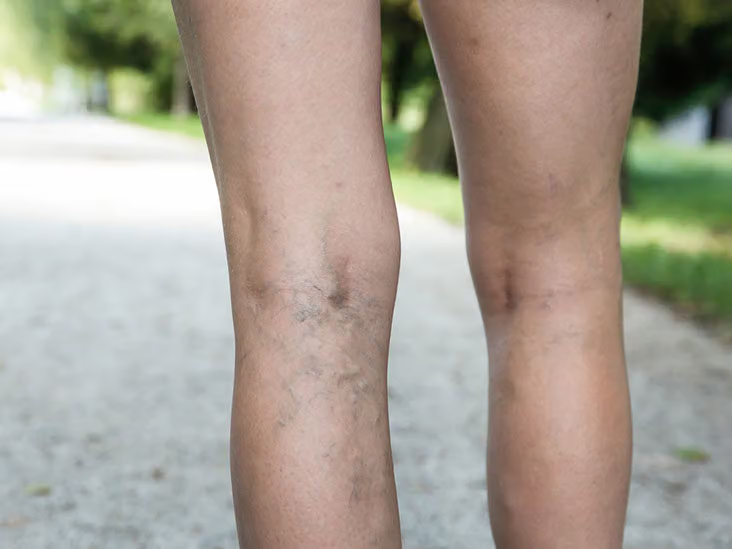
Can Venous Insufficiency Cause Leg Swelling Without Visible Varicose Veins?
Yes. Leg swelling without visible varicose veins can occur when the veins are not moving blood back toward the heart efficiently. Vein valves normally help keep blood moving upward, but when those valves become weak or damaged, blood can flow backward, a problem known as venous reflux. This backward flow can increase pressure within the veins of the lower legs, sometimes referred to as venous hypertension. Over time, the increased pressure can cause fluid to move into surrounding tissues, leading to fluid accumulation and swelling around the ankles or lower legs. Visible varicose veins are one possible sign of vein disease, but they are not required for venous problems to cause symptoms. A person may experience swelling, heaviness, aching, or tired legs even when the affected veins are not obvious from the outside.

THE VEIN PLACE OC
Have a Question?
Concerned about varicose veins or spider veins? Talk to our team about your treatment options and take the next step toward healthier legs.
The Vein Place OC – Vein Care Specialists
5 Possible Reasons Your Legs Swell Without Visible Varicose Veins
Chronic Venous Insufficiency
Chronic venous insufficiency symptoms can include swelling, aching, heaviness, itching, and changes in the skin around the lower legs. When the valves inside the veins do not work properly, blood can move backward instead of efficiently returning toward the heart. This can increase pressure in the affected veins and contribute to swelling. Some people with venous insufficiency and leg swelling may not have prominent surface veins, particularly when the underlying problem involves veins that are not easily visible.
Prolonged Sitting or Standing
Remaining in one position for long periods can contribute to swelling even without an underlying vein disorder. The calf muscles help pump blood upward when you walk and move your legs. When those muscles remain inactive for extended periods, circulation can become less efficient and fluid may collect in the lower legs. This can be especially noticeable after a long workday, extended travel, or other situations involving prolonged sitting or standing. Regular movement and changing position throughout the day may help reduce temporary swelling.
Deep Vein Problems
Not all vein problems involve the superficial vessels that are visible beneath the skin. Previous blood clots or other conditions affecting the deeper veins can interfere with normal blood flow and contribute to lower extremity swelling. A history of deep vein thrombosis, for example, can sometimes result in lasting changes to venous circulation. These problems may require medical assessment because they cannot be reliably identified simply by looking at the legs.
Lymphedema
Not all swelling is caused by the veins. Lymphedema occurs when the lymphatic system cannot properly drain lymph fluid from the tissues. This can lead to persistent swelling, often involving the legs or feet. While venous swelling and lymphedema can sometimes look similar, they have different underlying causes and may require different approaches to management. An evaluation can help distinguish a lymphatic problem from swelling related to venous circulation.
Other Medical Conditions
Swelling can also occur because of conditions unrelated to the veins. Heart, kidney, and liver problems can affect the body's fluid balance and lead to edema. Certain medications may also cause or contribute to swelling. Because of these possibilities, varicose veins and swollen legs should not automatically be treated as the same problem. Looking for the underlying cause is more important than assuming visible or invisible vein disease is responsible.
🩺 How Do Doctors Determine Whether Leg Swelling Is Caused by Vein Disease?
Evaluation typically begins with a discussion of your symptoms, medical history, medications, activity level, and when the swelling occurs. A physical examination can provide additional clues, including skin changes, tenderness, visible veins, or swelling patterns that may suggest a circulation problem.
When a vein-related cause is suspected, a duplex ultrasound may be recommended. This noninvasive test can assess blood flow through the veins and help identify problems such as abnormal blood flow or an obstruction.
It is not automatically required for every person with swollen legs, but it can provide useful information when further evaluation is needed. Finding the actual cause matters because treatment should be based on the underlying problem. Swelling related to a circulation disorder may be managed differently from lymphedema, medication-related edema, or swelling associated with another medical condition.
💊 When Does Leg Swelling Require Vein Treatment?
Not every person with swelling needs a vein procedure. Depending on the cause and severity, conservative measures may be recommended first. These can include:
-
🚶 Regular movement throughout the day
-
🦵 Elevating the legs
-
🪑 Managing prolonged periods of sitting or standing
-
🧦 Compression when appropriate for the individual
If testing confirms significant venous reflux and symptoms continue despite conservative care, a vein specialist may discuss treatment options. Selected patients may benefit from minimally invasive procedures that close or treat the malfunctioning vein, allowing blood to redirect through healthier vessels.
The goal is not simply to treat swelling based on appearance. It is to determine whether an underlying vein problem is contributing to the symptoms and whether treatment is appropriate.
⚠️ Warning Signs You Should Not Ignore
Persistent or worsening swelling deserves medical attention, particularly when it is accompanied by:
-
Changes in skin color or discoloration
-
Ongoing itching
-
Thickening of the skin
-
Wounds around the ankles
These changes can sometimes occur with long-standing venous disease and should not be ignored.
🚨 Seek urgent medical evaluation
Sudden swelling in one leg, especially when accompanied by pain, warmth, redness, or tenderness, requires urgent medical evaluation. These symptoms can have causes that need prompt assessment, including a possible blood clot.
Do not assume that sudden one-sided swelling is simply a varicose vein problem.
PATIENT INFORMATION
Frequently Asked Questions
Yes. Venous insufficiency can affect deeper or less visible veins, so symptoms such as swelling, heaviness, or aching may occur without prominent surface veins. An evaluation can help determine whether impaired venous circulation is contributing to the problem.
Swelling may become more noticeable later in the day because gravity causes blood and fluid to remain in the lower legs, particularly after prolonged sitting or standing. This pattern can occur with venous problems, but it is not specific to vein disease.
Yes. Venous reflux can affect one leg or both, depending on which veins and valves are involved. A clinical evaluation and, when appropriate, imaging can help determine whether one-sided symptoms are related to a venous problem.
Compression can help improve the movement of blood and reduce swelling for some people with venous circulation problems. However, the appropriate type and level of compression depend on the individual's health and the cause of the swelling, so it is best to follow professional guidance.
If venous reflux is contributing to the swelling, treating the affected veins may improve related symptoms for some patients. However, the outcome depends on the underlying cause, and swelling from lymphatic or systemic conditions may require a different approach.
 PATIENT SUPPORT
WE'RE HERE TO HELP
Have Questions About Your Vein Health?
Whether you're exploring treatment options or ready to schedule a consultation, our team is here to help you take the next step.

Andy Sharifi
Position